Commercial Property Inspections in League City, Texas
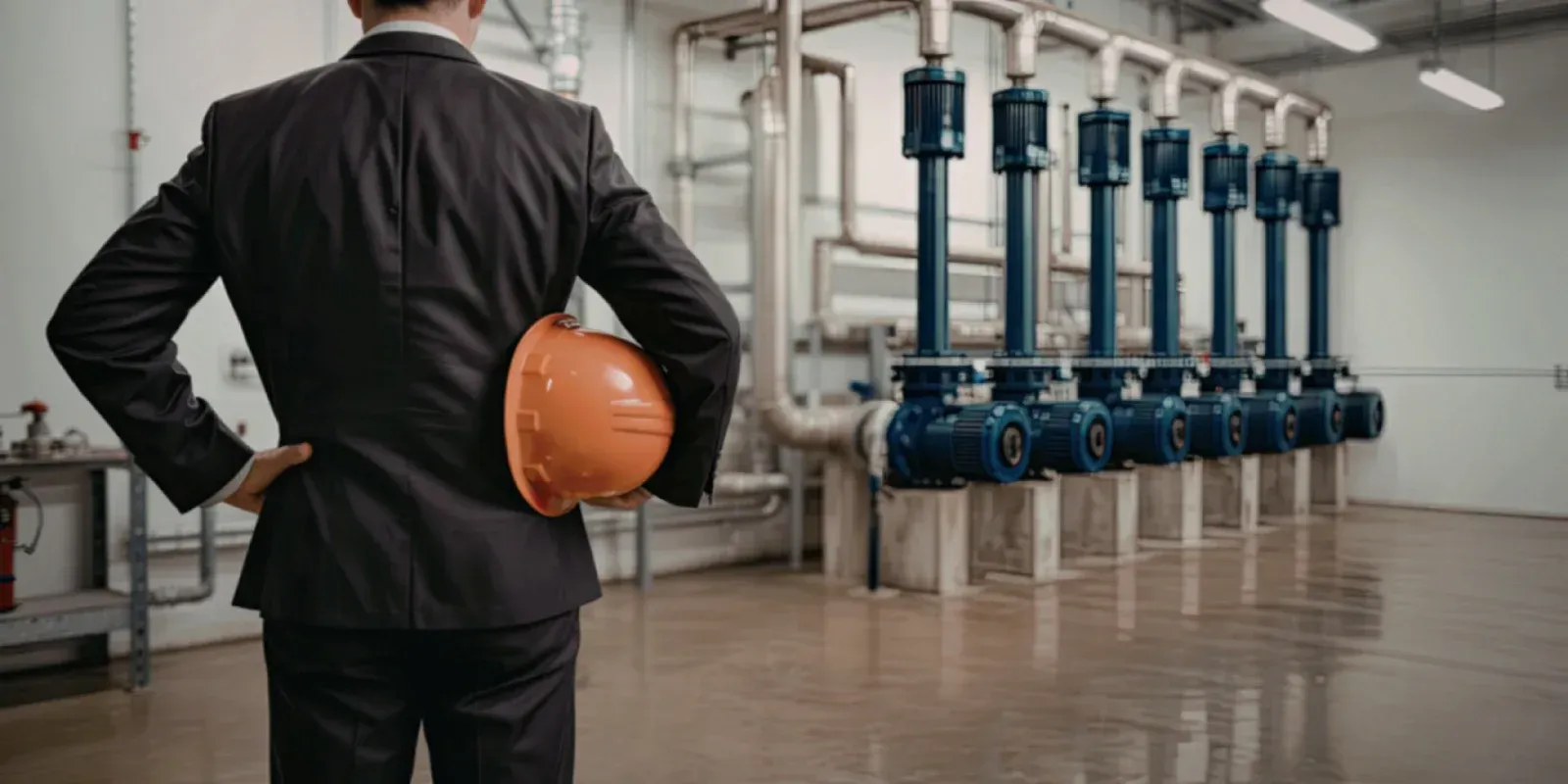

Commercial Building Inspection for Operational and Investment Clarity
Commercial properties carry more than walls and systems—they carry risk, performance expectations, and long-term financial outcomes. At Turn Key Home Inspection, commercial property inspections are approached as a detailed investigation into how a building truly functions under real-world conditions. Every structure tells a story through its systems, materials, and performance patterns, and our process is built to interpret that story with clarity. From roofing systems to foundational stability, every element is examined to uncover risks, validate condition, and support confident decision-making before commitments are finalized.
We serve League City, Texas as well as the surrounding areas including Dickinson, Friendswood, Webster, and Kemah. Across Galveston County, commercial structures face environmental pressures such as coastal humidity, salt air exposure, soil movement, and seasonal weather shifts. These factors influence everything from roofing durability to structural stability and system efficiency. A localized inspection approach ensures that every evaluation reflects how properties in this region actually perform, rather than relying on generic assumptions that overlook critical environmental impacts.
A commercial inspection is not just a checklist—it is a strategic evaluation of performance, safety, and long-term viability. Our approach focuses on identifying operational risks, deferred maintenance, and potential liabilities that could affect business continuity or investment value. By combining technical assessment with practical insight, we deliver a clear understanding of the property’s condition, allowing stakeholders to make informed, confident decisions backed by reliable data and real-world evaluation.
Our Commercial Property Inspection Services
Full Building Structure and Foundation Evaluation
We conduct a comprehensive assessment of structural components, including foundations, framing systems, load-bearing elements, and visible support structures. This process identifies signs of movement, cracking, or stress, ensuring the building maintains structural stability and highlighting any areas requiring immediate attention or further evaluation.
Roofing Systems and Exterior Envelope Inspection
Roofing materials, drainage systems, flashing, and exterior surfaces are evaluated for wear, damage, and installation concerns. We identify vulnerabilities that could lead to leaks or structural damage, ensuring the building envelope effectively protects against environmental exposure and maintains long-term durability under varying conditions.
Mechanical, Electrical, and Plumbing Systems Review
Critical systems are assessed for performance, safety, and reliability. We evaluate HVAC efficiency, inspect electrical panels and distribution systems, and review plumbing infrastructure for leaks or pressure issues. This ensures that all essential systems function as expected and support ongoing operational requirements.
Interior Components and Functional Performance Analysis
Interior spaces are evaluated for condition, functionality, and safety. Flooring, walls, ceilings, doors, and fixtures are inspected to identify wear, damage, or operational issues. This assessment ensures that interior environments support daily use while maintaining safety standards and professional presentation.
Moisture Intrusion and Drainage Assessment
We examine areas susceptible to water intrusion, including roofing transitions, exterior grading, and interior moisture-prone zones. Proper drainage and ventilation are evaluated to prevent long-term damage, mold growth, and structural deterioration, ensuring the building remains protected from environmental moisture risks.
Comprehensive Reporting for Investment and Compliance Use
A detailed inspection report is provided, outlining findings in a clear, structured format. This documentation supports investment decisions, negotiation processes, and compliance planning, giving stakeholders a reliable reference that simplifies communication and ensures all identified concerns are properly addressed.
Benefits of Commercial Property Inspections
Reduce Financial Risk Before Investment Decisions
Understanding a property’s true condition before purchase prevents unexpected expenses and financial setbacks. A thorough inspection identifies defects, deferred maintenance, and system inefficiencies, allowing stakeholders to factor repair costs into negotiations and avoid investing in properties with significant undisclosed issues or long-term liabilities.
Strengthen Negotiation Position With Verified Data
Accurate inspection findings provide objective evidence that supports negotiation strategies. Detailed reports highlight deficiencies and performance concerns, allowing buyers or investors to request price adjustments, repairs, or concessions confidently. This data-driven approach reduces uncertainty and ensures that financial decisions are based on verified property conditions.
Ensure Compliance With Safety and Operational Standards
Commercial properties must meet safety standards to remain functional and compliant. Inspections identify potential violations or risks related to electrical systems, structural integrity, fire safety, and accessibility, helping property owners address issues proactively and maintain compliance with applicable regulations and safety expectations.
Improve Long-Term Asset Management Planning
An inspection provides valuable insight into the lifespan and condition of major systems and components. This information supports strategic maintenance planning, budgeting, and capital improvement decisions, helping property owners manage assets effectively and extend the life of building systems while minimizing unexpected disruptions or costly emergency repairs.
Enhance Tenant Safety and Operational Reliability
Safe, well-maintained properties support tenant satisfaction and consistent business operations. Identifying issues early helps prevent disruptions, safety hazards, and service interruptions. A proactive inspection approach ensures that building systems operate reliably, creating a stable environment for tenants, employees, and customers alike.
Identify Environmental and Structural Concerns Early
Environmental exposure and structural stress can impact commercial buildings over time. Inspections reveal early signs of moisture intrusion, material deterioration, or structural movement, allowing for timely intervention. Addressing these concerns early protects the building’s integrity and prevents minor issues from escalating into major structural problems.
Make Business Decisions Backed by Verified Property Insights
At Turn Key Home Inspection, commercial property inspections are approached as a foundation for confident investment and operational success. Every building holds both opportunity and risk, and understanding that balance requires more than a surface-level review. Through detailed evaluation, we uncover the conditions that influence performance, safety, and long-term value, giving stakeholders the clarity needed to act decisively. In League City, Texas, where environmental conditions continuously shape how properties perform, a thorough inspection becomes even more essential. Identifying issues early allows for informed negotiations, better planning, and reduced financial uncertainty.

Whether evaluating a potential acquisition or assessing an existing asset, a structured inspection ensures that decisions are supported by reliable data. The result is not just information, but confidence—confidence that every investment, every lease, and every operational decision is built on a clear and accurate understanding of the property.
Frequently Asked Questions
What is included in a commercial property inspection?
A commercial property inspection includes evaluation of structural components, roofing systems, electrical systems, plumbing, HVAC units, and interior conditions. It also assesses visible safety concerns and functional performance. The goal is to provide a comprehensive overview of the building’s condition, helping stakeholders understand risks, maintenance needs, and overall operational reliability before making decisions.
How is a commercial inspection different from a residential inspection?
Commercial inspections are broader in scope and focus on larger systems, operational performance, and compliance considerations. They often involve more complex structures and higher usage demands. Unlike residential inspections, commercial evaluations prioritize business continuity, tenant safety, and long-term asset management, requiring a more detailed and strategic approach to property assessment.
When should a commercial property inspection be scheduled?
Inspections are typically scheduled during the due diligence phase before finalizing a purchase or lease agreement. However, they are also valuable for ongoing property management or before major renovations. Conducting an inspection at the right time ensures that any issues are identified early, allowing for informed decisions and proper planning.
Can an inspection help with lease negotiations?
Yes, inspection findings provide valuable insights into property condition, which can influence lease terms. Identifying deficiencies or maintenance needs allows tenants or investors to negotiate repairs, improvements, or financial adjustments. This ensures that agreements reflect the true condition of the property and reduce the risk of unexpected issues after occupancy.
How long does a commercial inspection typically take?
The duration depends on the size and complexity of the property. Smaller buildings may take a few hours, while larger or multi-unit properties can require a full day or more. The focus is always on thoroughness, ensuring that all major systems and components are properly evaluated without rushing the process.
Do inspection reports include recommendations for repairs?
Inspection reports outline observed issues and may include general recommendations for further evaluation or corrective action. While they do not replace specialized contractor assessments, they provide clear direction on areas that require attention, helping property owners prioritize repairs and plan next steps effectively.
Are inspection reports accepted by lenders or investors?
Many lenders and investors consider inspection reports as part of their evaluation process. At TurnKey Home Inspection in League City, Texas, reports are structured to support due diligence, providing clear, professional documentation that aligns with investment and financing requirements, making them useful for multiple stakeholders involved in property transactions.
Why is local knowledge important in commercial inspections?
Local environmental and construction conditions influence how buildings perform over time. At TurnKey Home Inspection in League City, Texas, inspections reflect regional factors such as humidity, soil conditions, and weather patterns. This ensures that findings are relevant and accurate, providing insights that generic inspections might overlook in different geographic regions.
What our customers have to say...
Testimonials