Property Condition Assessments in League City, Texas
Detailed PCA Reports Supporting Strategic Property Investment Planning
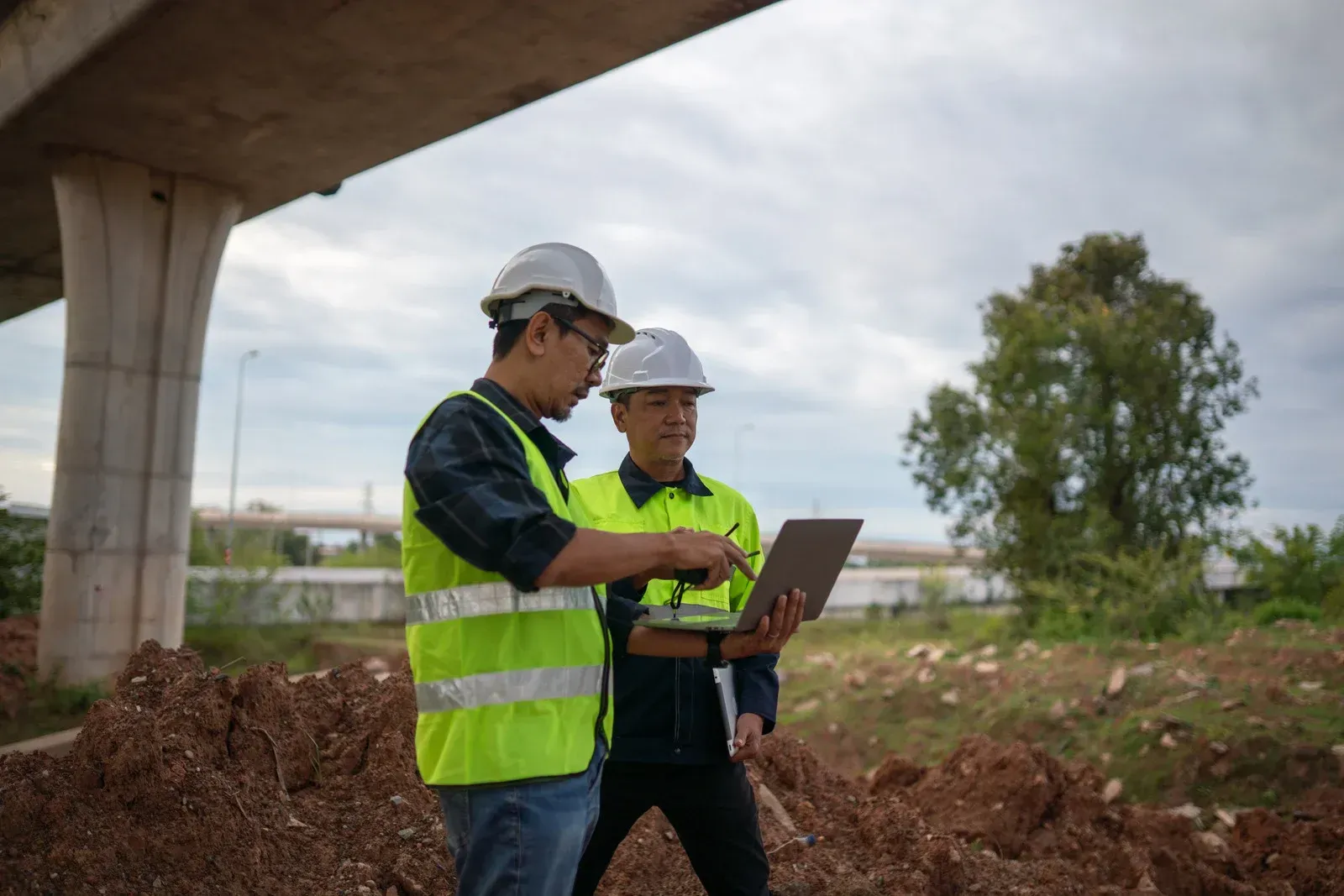
Every commercial property carries a story—one written through its systems, maintenance history, and performance over time. At Turn Key Home Inspection, Property Condition Assessments (PCA Reports) are designed to uncover that story with clarity and structure. These assessments go beyond surface observations, focusing on how a building functions, what it needs, and what it may require in the future. Whether evaluating a potential acquisition, managing an existing asset, or planning capital improvements, a PCA provides a detailed snapshot of current condition while projecting future performance expectations. It transforms uncertainty into a structured understanding that supports strategic decision-making.
We serve League City, Texas as well as the surrounding areas including Dickinson, Friendswood, Webster, and Kemah. Across Galveston County, commercial buildings are influenced by coastal humidity, soil conditions, and seasonal weather patterns that accelerate wear on structural components and building systems. These regional factors make localized assessments essential, ensuring that findings reflect real environmental impact rather than generalized assumptions that may overlook critical performance variables.
A Property Condition Assessment is not just a report—it is a planning tool. By combining visual inspection, system evaluation, and lifecycle analysis, we deliver insights that help investors, property managers, and stakeholders understand both immediate concerns and long-term capital needs. The result is a clear, actionable framework that supports confident investment decisions, effective asset management, and reduced financial uncertainty. Make informed decisions with clarity—schedule your Property Condition Assessment today and plan your investment with confidence.
Our Property Condition Assessment Services
Comprehensive Building System Evaluation
We assess major building systems including structural components, roofing, electrical, plumbing, and HVAC systems. This evaluation provides a complete understanding of how each system performs, identifying deficiencies, maintenance needs, and potential concerns that may impact overall property functionality and long-term reliability.
Roofing and Exterior Envelope Assessment
Roofing systems, drainage components, and exterior materials are evaluated for condition and performance. We identify signs of wear, damage, or inefficiency, ensuring that the building envelope continues to protect the structure effectively and highlighting areas that may require maintenance or replacement.
Interior Condition and Functional Analysis
Interior spaces are reviewed for condition, functionality, and safety. This includes evaluation of floors, walls, ceilings, and fixtures, ensuring that all interior components support operational use while identifying any deficiencies that could impact usability, safety, or overall building performance.
Lifecycle and Capital Reserve Analysis
We provide projections for the remaining useful life of major building components. This analysis supports capital planning by identifying when repairs or replacements may be required, helping stakeholders prepare financially and maintain the property without unexpected disruptions or emergency expenses.
Site and Drainage Condition Evaluation
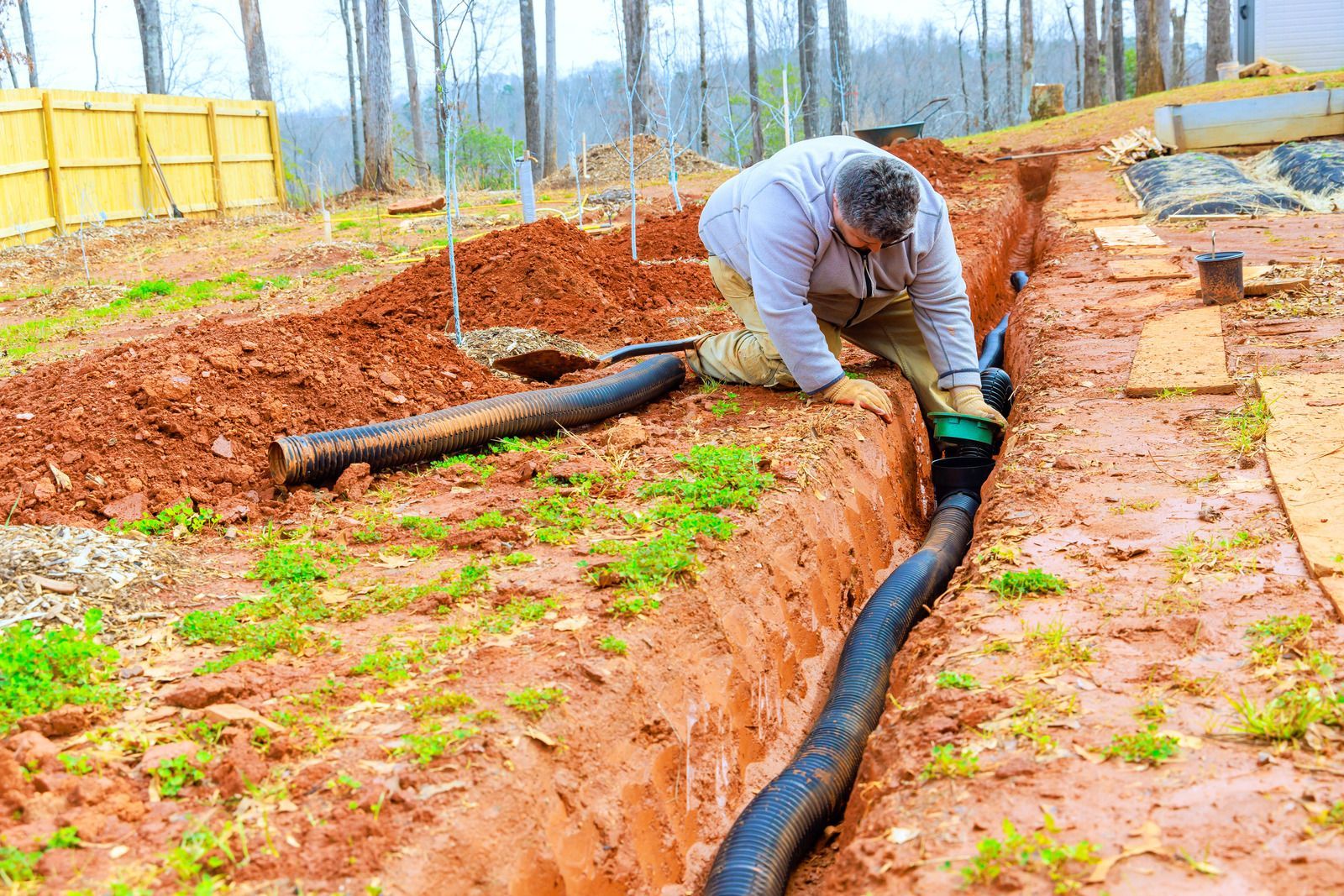
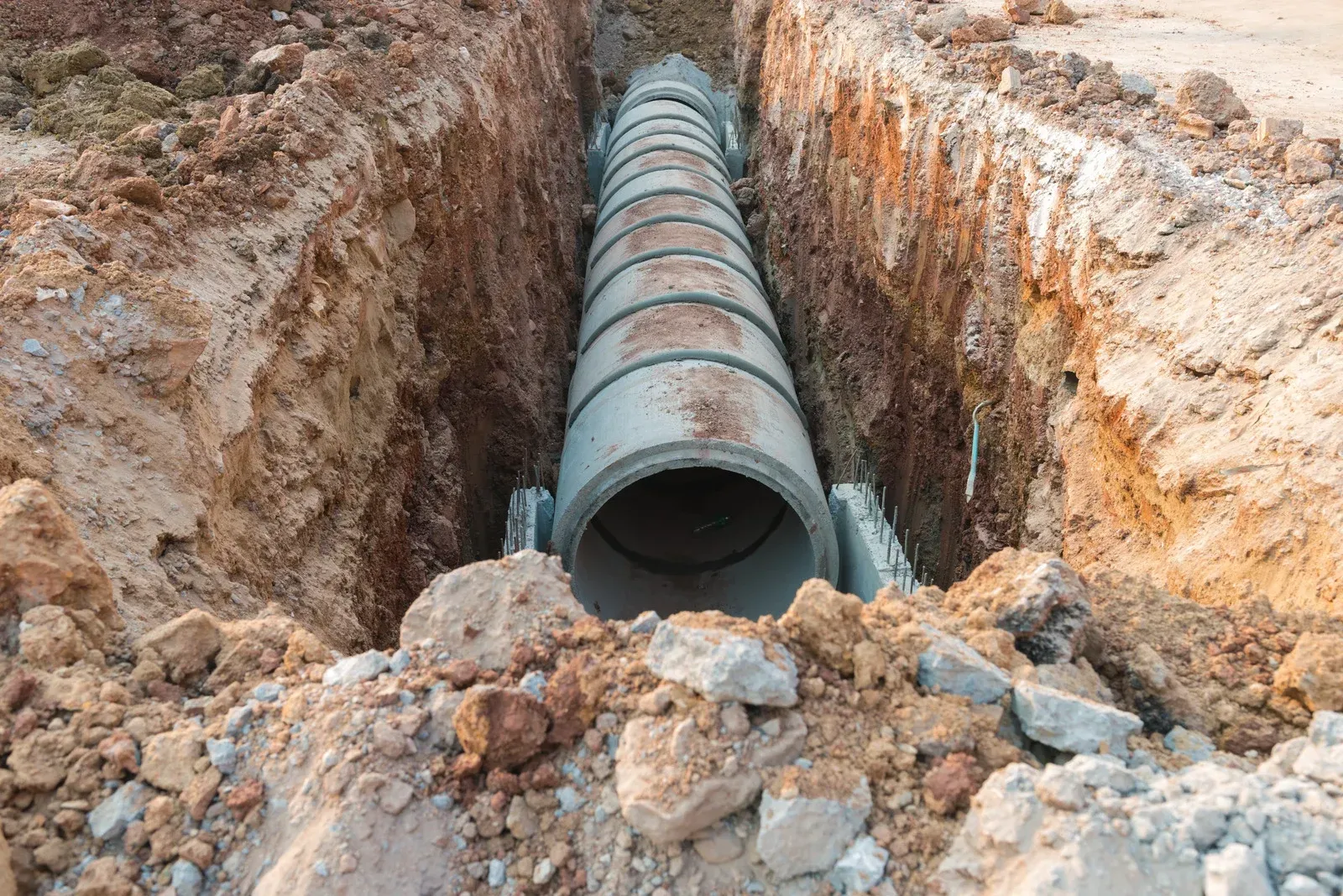
The property’s site conditions, including grading and drainage, are assessed to identify factors that may impact structural stability or water management. Proper site evaluation ensures that environmental influences are considered, reducing the risk of long-term damage related to water intrusion or soil movement.
Detailed PCA Reporting for Investment Use
A structured PCA report is provided, outlining findings, observations, and recommendations. This document is designed to support investment decisions, due diligence processes, and asset management planning, ensuring that stakeholders have clear, actionable information presented in a professional and accessible format.
Benefits of Property Condition Assessments
Provide Clear Understanding of Current Property Condition
A PCA delivers a comprehensive overview of a property’s physical condition, including structural components and building systems. This clarity allows stakeholders to understand the true state of the asset, ensuring that decisions are based on accurate, verified information rather than assumptions or incomplete observations.
Support Accurate Capital Expenditure Planning
Property Condition Assessments include projections for future repairs and replacements, helping stakeholders plan capital expenditures effectively. By identifying lifecycle expectations of major components, a PCA enables better budgeting, reduces financial surprises, and ensures that long-term maintenance strategies are aligned with asset performance requirements.
Reduce Investment Risk and Financial Uncertainty
Understanding potential issues before acquisition reduces the risk of unexpected expenses. A PCA identifies deferred maintenance and system deficiencies, allowing stakeholders to factor costs into negotiations and financial planning, ensuring that investment decisions are informed and aligned with realistic expectations of property performance.
Enhance Due Diligence for Commercial Transactions
During property transactions, due diligence is critical. A PCA provides the detailed insight needed to evaluate risks, verify condition, and support informed negotiations. This ensures that buyers, lenders, and investors have a complete understanding of the asset before finalizing agreements.
Improve Long-Term Asset Management Strategies
A PCA serves as a roadmap for ongoing property management. By identifying current conditions and future needs, it supports strategic planning, helping property owners prioritize maintenance, allocate resources effectively, and maintain building performance over time without reactive or costly decision-making.
Strengthen Communication With Stakeholders and Lenders
Clear, structured reporting improves communication between property owners, investors, lenders, and management teams. A PCA provides a shared understanding of property condition, ensuring that all parties operate with consistent information, reducing misunderstandings and supporting aligned decision-making across all levels of involvement.
Plan Capital Needs With Accurate Property Condition Analysis
At Turn Key Home Inspection, Property Condition Assessments are designed to provide more than information—they deliver clarity that drives smarter decisions. Every commercial property represents both opportunity and responsibility, and understanding its true condition is essential for managing risk and maximizing value. In League City, Texas, where environmental conditions continuously influence building performance, a detailed PCA becomes a critical tool for long-term planning and investment success.
By combining thorough evaluation with forward-looking analysis, we provide insights that support confident acquisitions, effective asset management, and strategic financial planning. The result is a clear understanding of where a property stands today and what it will require tomorrow. With this knowledge, stakeholders can move forward with certainty, knowing that every decision is grounded in accurate, comprehensive information.
Frequently Asked Questions
What is a Property Condition Assessment (PCA)?
A Property Condition Assessment is a detailed evaluation of a commercial property’s physical condition. It includes inspection of structural components, systems, and site conditions, along with projections for future repairs. The goal is to provide stakeholders with a clear understanding of current condition and long-term maintenance needs.
When should a PCA be conducted?
A PCA is typically conducted during due diligence before purchasing or refinancing a property. It is also useful for ongoing asset management and capital planning. Conducting a PCA at the right time ensures that stakeholders have accurate information for making informed financial and operational decisions.
What does a PCA report include?
A PCA report includes detailed findings on building systems, structural components, and site conditions. It also provides estimates for repair costs and projections for future maintenance. The report is structured to support decision-making, offering clear and actionable insights into the property’s condition.
How is a PCA different from a standard inspection?
A PCA is more comprehensive and focuses on long-term performance and financial planning. While standard inspections evaluate current condition, a PCA includes lifecycle analysis and capital expenditure projections, making it a valuable tool for investors and property managers.
Can a PCA help with investment decisions?
Yes, a PCA provides critical information that supports investment decisions. By identifying potential risks and future costs, it allows investors to evaluate the true value of a property. This ensures that financial decisions are based on accurate and reliable data.
Are PCA reports useful for lenders?
Yes, lenders often rely on PCA reports to assess risk before approving financing. At TurnKey Home Inspection in League City, Texas, PCA reports are structured to meet professional standards, providing lenders with the detailed information needed to evaluate property condition and investment risk accurately.
How long does a PCA take to complete?
The duration depends on the size and complexity of the property. Smaller properties may take a day, while larger or multi-building sites may require additional time. The focus is on thorough evaluation and accurate reporting to ensure reliable results.
Why is local expertise important for PCA reports?
Local environmental conditions influence property performance. At TurnKey Home Inspection in League City, Texas, PCA reports consider factors such as humidity, soil conditions, and weather patterns. This ensures that findings are relevant and accurate, reflecting how properties perform in the specific region.
What our customers have to say...
Testimonials