Septic System Inspections in League City, Texas
In-Depth Septic System Evaluation for Reliable Performance
Because most septic system components are located below ground, problems can develop without obvious warning signs. A professional septic inspection can provide valuable information about the condition of the system and help identify concerns before they become more significant issues.
At Turn Key Home Inspection, we perform thorough septic system evaluations designed to help buyers and homeowners better understand the condition of the system, its maintenance needs, and any visible deficiencies observed at the time of the inspection. Our goal is to provide clear, practical information that supports informed decisions and responsible property ownership.
We serve League City, Texas, as well as the surrounding areas, including Dickinson, Friendswood, Kemah, and Texas City. Across Galveston and Harris County and nearby coastal regions, soil composition, groundwater levels, and seasonal rainfall patterns all influence septic system behavior. These local environmental factors require more than a surface-level inspection. Our process is designed to evaluate how systems interact with these conditions, ensuring accurate insights that reflect real-world performance across Southeast Texas landscapes.
Because much of a septic system is located below ground, potential concerns are not always readily apparent. A professional septic system inspection can provide valuable information about the condition of the system and help identify visible deficiencies before a real estate transaction or major maintenance issue arises. At Turn Key Home Inspection, our goal is to provide clients with clear, easy-to-understand information about their septic system so they can make informed decisions with confidence. Schedule your septic system inspection today and gain a better understanding of one of the most important systems on your property.
Our Septic Inspection Services
Comprehensive Septic Tank Inspection and Assessment
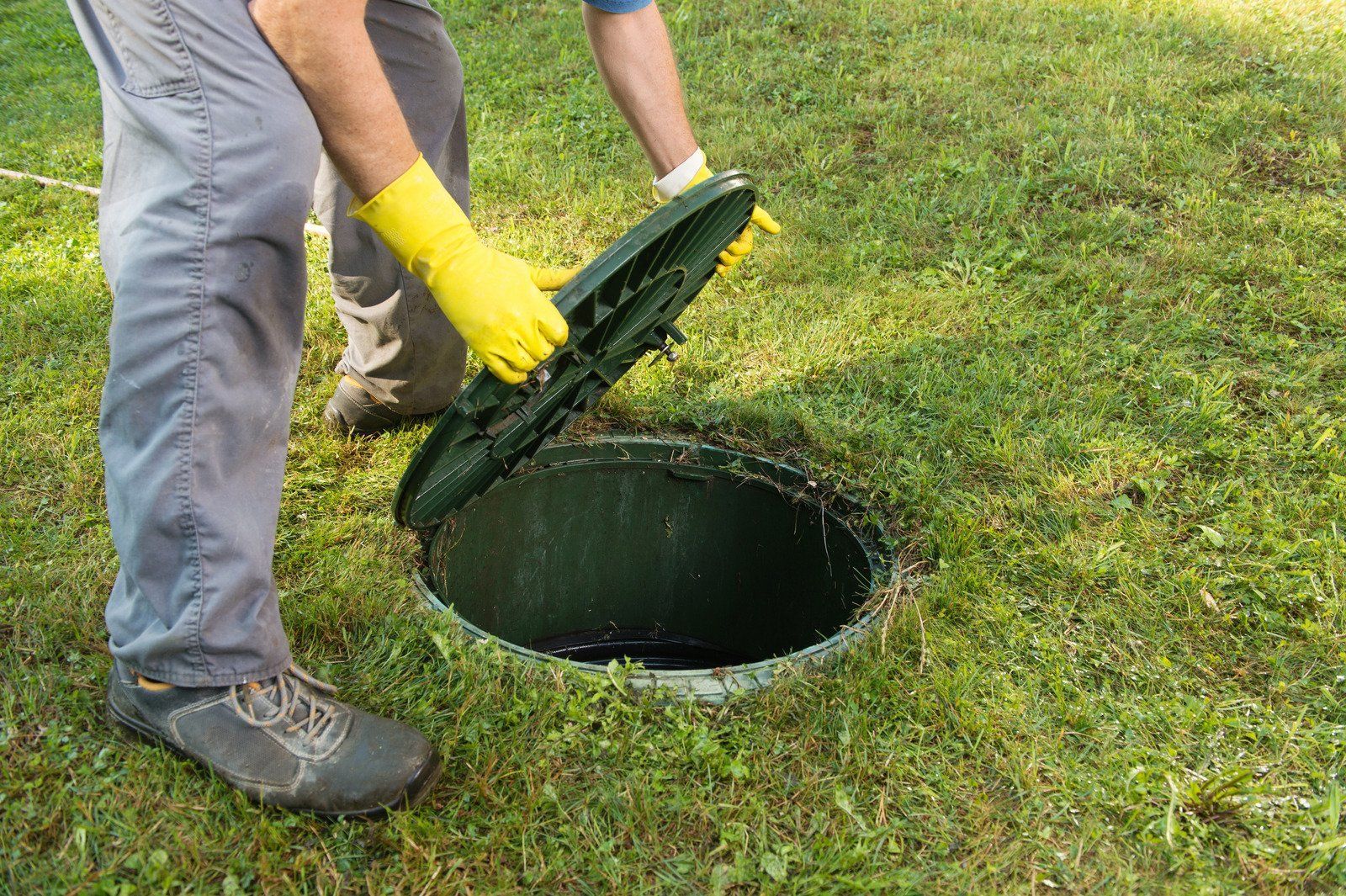
A septic tank inspection provides important information about the condition of one of the property's most critical systems. During the inspection, the tank and its accessible components are evaluated for signs of damage, excessive sludge accumulation, leakage, and other visible concerns. Identifying these conditions can help property owners better understand the system's condition and plan for future maintenance or repairs.
Drain Field Evaluation and Absorption Testing Services
The drain field plays a critical role in the operation of a septic system. During the inspection, the drain field area is evaluated for visible signs of saturation, drainage concerns, surface ponding, sewage odors, and other conditions that may indicate reduced performance. Identifying these concerns can help property owners better understand the condition of the system and address potential issues before they become more significant problems.
Septic System Functional Flow and Load Testing
As part of the inspection process, functional testing may be performed to observe how the septic system responds under normal operating conditions. Water is introduced into the system to help identify signs of slow drainage, backup, or other observable concerns. The results provide valuable information about the system's operation at the time of the inspection and can help identify conditions that may require further attention.
System Component Location and Mapping Services
Many property owners are unsure of the exact location of their septic system components. Septic system locating and mapping services help identify and document accessible components, including tanks, distribution boxes, cleanouts, and drain field areas when possible. Having a better understanding of the system layout can simplify future maintenance, repairs, inspections, and property planning.
Inspection of Pumps, Filters, and Mechanical Components
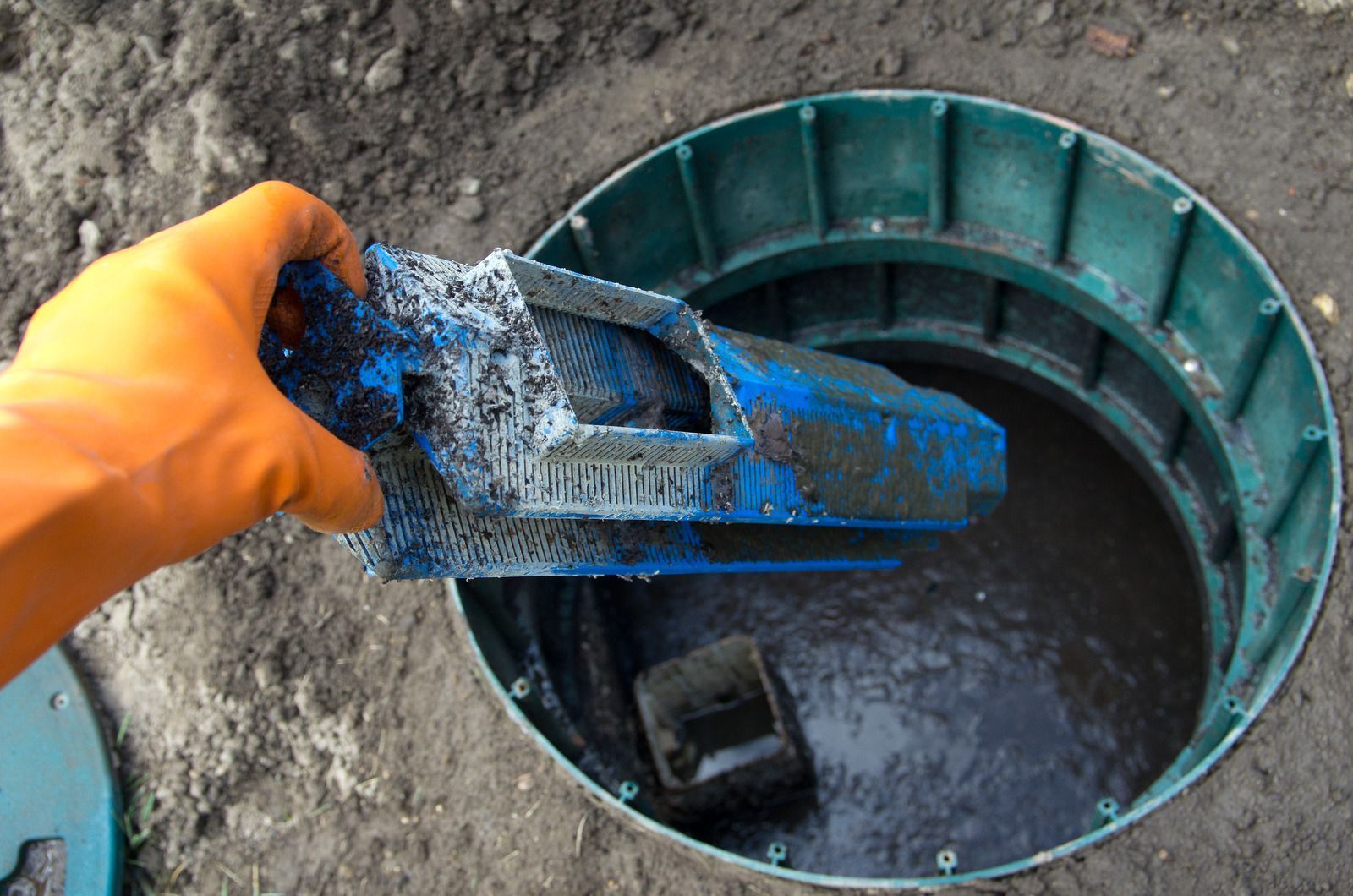
Modern septic systems often include mechanical components such as pumps and filters that require proper functionality. This service evaluates their operation, efficiency, and condition to ensure wastewater is processed correctly. Identifying wear or malfunction early helps maintain system balance and prevents disruptions that could affect overall performance and reliability.
Pre-Purchase Septic Inspection for Real Estate Transactions
Pre-purchase inspections provide buyers with a clear understanding of septic system condition before finalizing a property. This service evaluates all components for functionality, compliance, and potential issues, helping buyers make informed decisions while avoiding unexpected repairs or liabilities associated with system deficiencies after purchase completion.
Benefits of Septic System Inspections
Early Detection of Failures
Because much of a septic system is located below ground, signs of developing problems are not always readily apparent. A professional septic system inspection can help identify visible deficiencies, operational concerns, and conditions that may indicate the need for maintenance, repair, or further evaluation. Addressing concerns early can help property owners better manage maintenance needs and reduce the likelihood of more significant system issues in the future.
Increased Confidence During the Buying and Selling Process
The condition of a septic system is an important consideration in any real estate transaction. A professional septic inspection provides valuable information about the system's condition, helping buyers and sellers better understand potential maintenance concerns and ownership responsibilities. Having this information available can help facilitate informed discussions and provide greater confidence throughout the transaction process.
Helps Identify Conditions That May Affect the Environment
A properly functioning septic system plays an important role in protecting surrounding soil and groundwater. During the inspection, accessible system components and surrounding areas are evaluated for visible signs of leakage, saturation, drainage concerns, and other conditions that may indicate a problem. Identifying these concerns early can help property owners address maintenance or repair needs before more significant issues develop.
Helps Identify Drain Field Concerns
Because drain field problems often develop gradually, early signs of trouble may go unnoticed. A septic inspection can help identify visible indicators such as saturated soil, surface ponding, sewage odors, and drainage concerns that may suggest reduced system performance. Understanding these conditions can help property owners address concerns before they become more significant issues.
Helps Reduce the Likelihood of Costly Repairs
Many septic system problems begin as relatively minor issues that can worsen over time if left unaddressed. A professional septic system inspection can help identify visible deficiencies, maintenance concerns, and operational issues before they develop into more significant problems. Understanding the condition of the system allows property owners to better plan for maintenance and repairs, helping to avoid unexpected expenses whenever possible.
Supports Safe and Responsible System Operation
A properly maintained septic system plays an important role in protecting the property and surrounding environment. A septic system inspection can help identify visible concerns such as leaks, drainage issues, or other conditions that may affect the system's operation. Understanding these conditions can help property owners make informed decisions regarding maintenance and repairs.
Gain a Better Understanding of Your Septic System
A septic system is one of the most important and often overlooked components of a property. A professional septic inspection can provide valuable information about the condition of the system and help identify visible concerns before they become more significant issues.
At Turn Key Home Inspection, we are committed to providing thorough septic system evaluations and clear, practical reporting that helps clients make informed decisions with confidence. Contact us today to schedule your septic system inspection and gain a better understanding of your property's wastewater system.
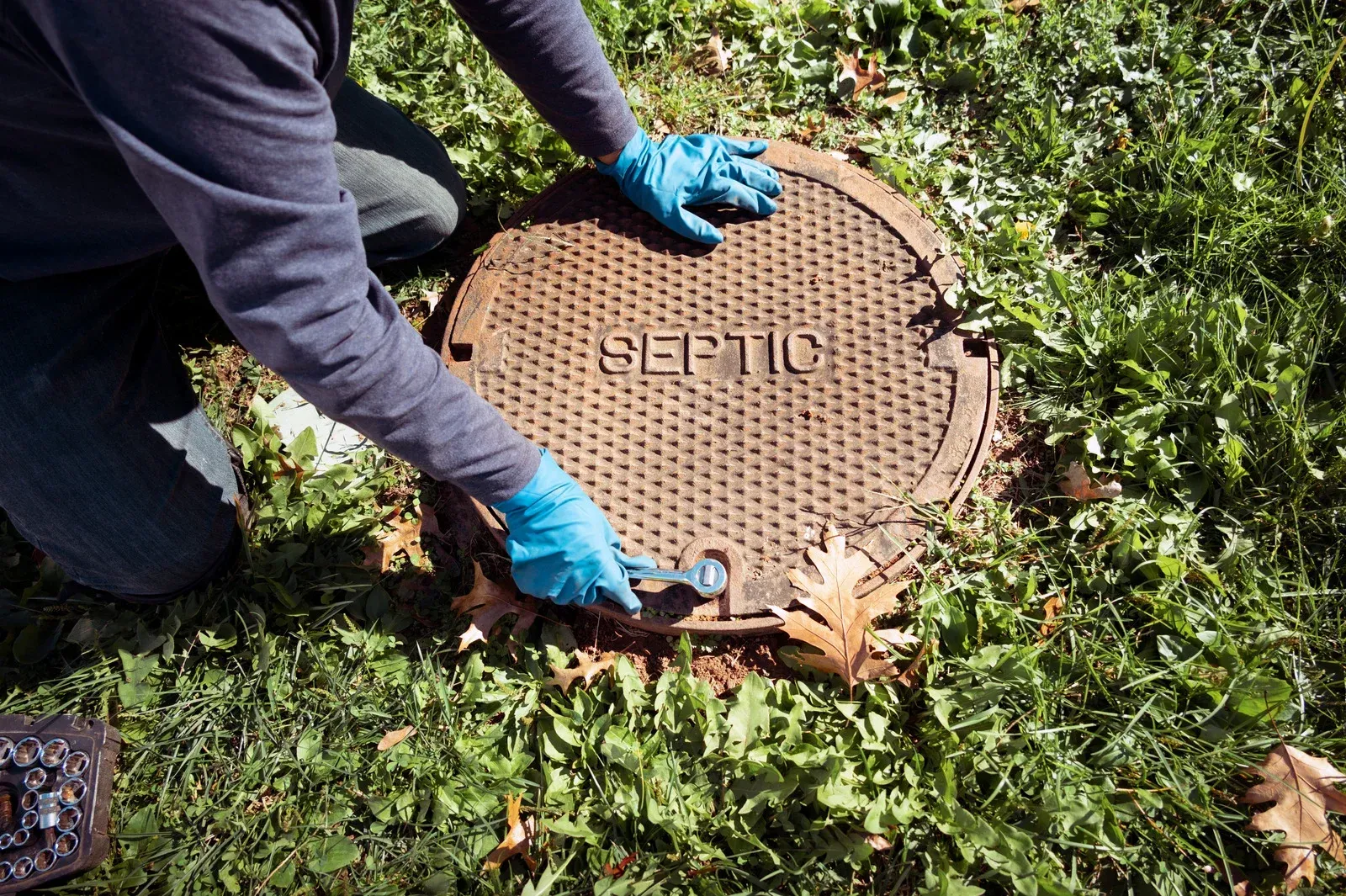
A professional septic system inspection provides valuable information about the condition of the system and its accessible components. Whether you are preparing for a real estate transaction or maintaining your current property, understanding the condition of the septic system can help support informed decisions and responsible property ownership. At Turn Key Home Inspection, our goal is to provide clear, practical information that helps clients move forward with confidence.
Frequently Asked Questions
What does a septic system inspection typically include?
A septic system inspection typically includes an evaluation of the septic tank, accessible piping, drain field area, and any accessible mechanical components such as pumps, filters, and alarms. The inspection may also include observing system operation, measuring sludge levels when appropriate, and looking for visible signs of leakage, damage, saturation, or other conditions that may affect system performance.
The goal of the inspection is to provide information about the condition of the system at the time of the inspection and identify concerns that may require maintenance, repair, or further evaluation.
How often should septic systems be inspected?
Most septic systems should be inspected every three to five years. However, factors such as system age, household size, usage, and maintenance history may affect how often inspections are recommended. Regular inspections can help property owners better understand the condition of their septic system and plan for future maintenance needs.
Can a septic inspection detect all potential problems?
No. While a septic system inspection can provide valuable information about the condition of the system at the time of the inspection, no inspection can identify every potential issue or predict future performance. Many septic system components are located below ground, and some conditions may not be readily apparent at the time of the evaluation.
However, a professional septic inspection can help identify visible deficiencies, operational concerns, and conditions that may require maintenance, repair, or further evaluation, allowing property owners to make more informed decisions regarding the system.
Is a septic inspection necessary before buying a home?
Yes. A septic system is one of the most important and potentially costly systems on a property. A professional septic inspection can help buyers better understand the condition of the system by identifying visible deficiencies, operational concerns, and maintenance needs observed at the time of the inspection.
Having this information before closing can help buyers make informed decisions and avoid unexpected surprises related to the property's wastewater system after purchase.
How long does a septic system inspection take?
Most septic system inspections take between one and three hours, depending on the size, complexity, accessibility, and condition of the system. Additional time may be needed to locate components, perform operational testing, or evaluate specific areas of concern.
What are common signs of septic system problems?
Common signs of septic system problems may include slow-draining fixtures, sewage odors, standing water or unusually wet areas near the drain field, gurgling plumbing fixtures, and sewage backups. These conditions can indicate a variety of issues, including blockages, component failures, drainage concerns, or other system-related problems.
If any of these signs are present, a professional septic system inspection can help identify visible deficiencies and conditions that may require maintenance, repair, or further evaluation.
Why choose TurnKey Home Inspection in League City, Texas?
Turn Key Home Inspection brings more than 15 years of professional inspection experience, decades of construction knowledge, and NAWT Certified Septic Inspector credentials to every septic system evaluation. We provide thorough inspections, clear reporting, and practical information that helps buyers, sellers, and homeowners better understand the condition of their septic systems. Our commitment to honesty, integrity, and client education has made Turn Key a trusted choice throughout League City and the surrounding communities.
How does soil type affect septic system performance in League City?
Soil conditions play an important role in the operation of a septic system. In the League City area and throughout much of Southeast Texas, soil composition can vary significantly from one property to another. Clay-rich soils may slow the movement of water through the soil, while sandier soils may allow wastewater to disperse more readily.
During a septic system inspection, soil conditions, drainage characteristics, and visible site conditions are considered when evaluating the system. Understanding how local environmental factors may influence a septic system can help property owners better understand potential maintenance concerns and the overall operation of the system.
What our customers have to say...
Testimonials