Phase Inspections in League City, Texas
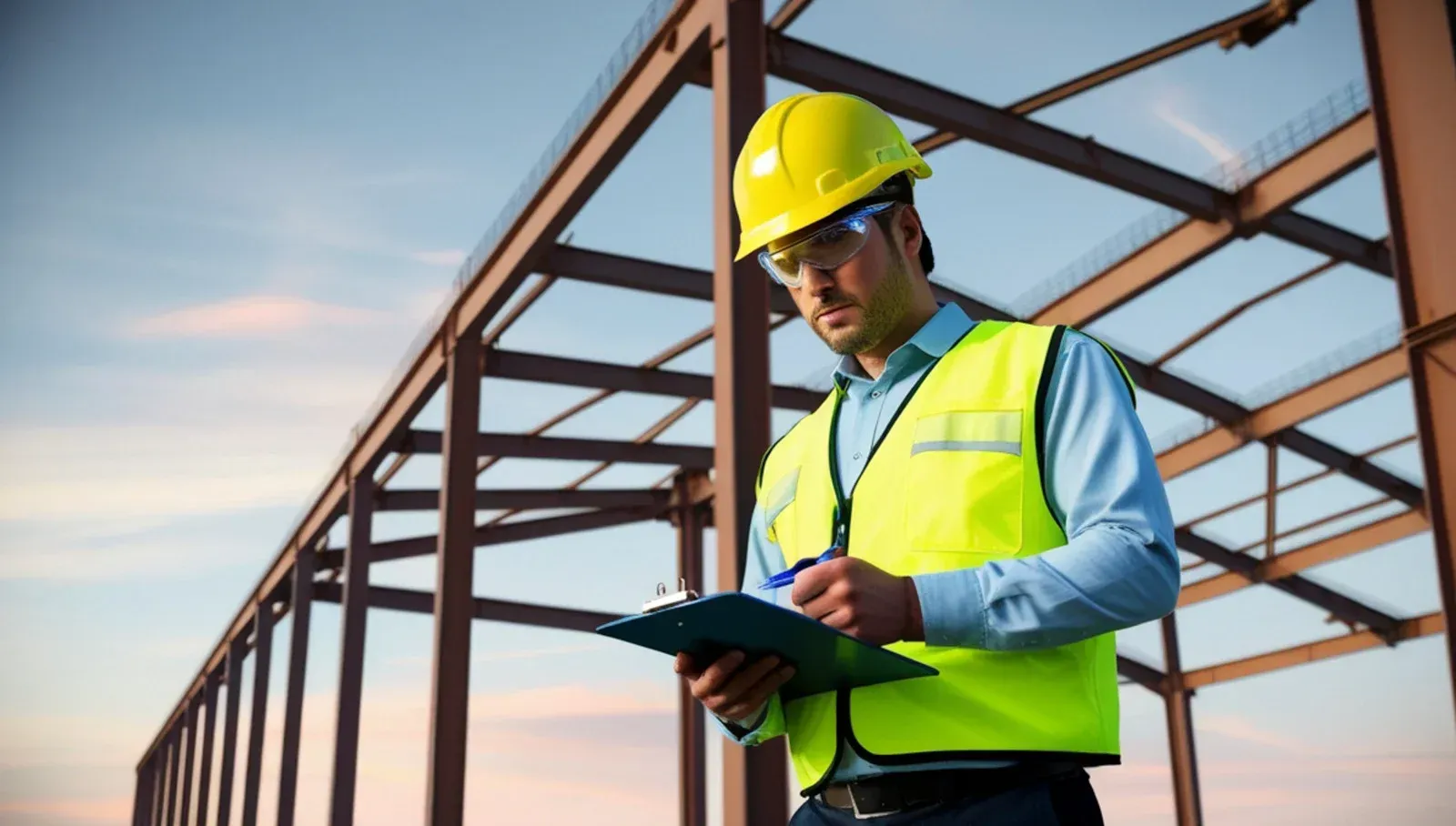

Step by Step Construction Oversight for Quality Assurance
New construction moves fast, and important details can be covered before anyone has a chance to review them. Phase inspections provide an added level of observation at key stages of the build, helping identify visible concerns before the next phase begins.
Turn Key Home Inspection provides construction phase inspections for residential projects throughout League City and the surrounding Bay Area. From foundation preparation to framing, mechanical rough-in, insulation, and final walkthrough, our inspections focus on visible workmanship, installation concerns, moisture risks, structural conditions, and items that may need correction before they become harder to access.
Our goal is to give homeowners, builders, and buyers clear documentation, practical findings, and a better understanding of the construction process as the home is being built.
We serve League City, Texas, and surrounding areas including Dickinson, Friendswood, Kemah, Clear Lake, and the greater Galveston and Harris County region.
Homes built along the Texas Gulf Coast face real construction challenges, including humidity, wind-driven rain, shifting soils, attic heat, moisture exposure, and seasonal weather conditions. These local factors make it important to review construction at key stages before important systems and materials are covered.
Phase inspections are not about slowing construction. They are about identifying visible concerns early, documenting workmanship, and helping homeowners better understand the condition of the build as it progresses.
Each inspection provides practical information that can be shared with the builder before the next stage begins. This helps reduce surprises, improve communication, and support a more informed construction process from start to finish.
Our Phase Inspection Services
Pre-Pour Foundation Inspection
The pre-pour foundation inspection is performed before concrete is placed, while the foundation preparation is still visible. This stage allows key items to be reviewed before they become permanently covered.
Our inspection focuses on visible site preparation, formwork, moisture barriers, reinforcement placement, beam trenches, plumbing penetrations, post-tension components when present, and general drainage or grading conditions that may affect the foundation area.
Identifying visible concerns before the pour gives the builder and homeowner an opportunity to address issues early, before concrete placement makes corrections more difficult and costly.
Framing and Structural Inspection
The framing and rough-in stage is one of the most important points in the construction process. This is when the structure, plumbing, electrical wiring, HVAC routing, and many key installation details are still visible before insulation and drywall cover them.
Our inspection reviews visible framing conditions, load paths, roof framing, wall framing, floor systems, beams, joists, bracing, fastening, notching, boring, and support conditions. We also observe visible electrical and plumbing rough-in concerns, including wiring protection, pipe support, drain and vent routing, penetrations, and areas where installation may affect the structure or future performance of the home.
Identifying concerns at this stage gives the builder and homeowner an opportunity to address visible issues before they become covered by finished materials.
Pre-Drywall Inspection
Before drywall installation, this inspection evaluates electrical, plumbing, HVAC systems, and insulation placement. Ensuring these components are correctly installed before being concealed prevents defects. This stage is critical for identifying installation errors early, allowing corrections without invasive work after the construction process advances further.
Exterior Envelope Inspection
This phase focuses on roofing, windows, doors, and exterior sealing to ensure protection against moisture and environmental exposure. Proper installation and sealing prevent water intrusion and energy loss. Evaluating the building envelope ensures durability and supports long-term efficiency, especially in regions with varying weather conditions and humidity levels.
Final Construction Inspection
A comprehensive evaluation of the completed home ensures all systems, finishes, and structural components meet expectations. This inspection identifies incomplete work, defects, or inconsistencies before occupancy. It ensures the property is ready for use, aligning with design standards and supporting a safe and functional living environment overall.
Multi-Stage Progressive Inspections
Progressive inspections involve evaluating multiple construction phases at defined intervals. This ongoing approach provides continuous oversight, ensuring each stage aligns with previous work. By maintaining consistency throughout the build, progressive inspections reduce cumulative errors and ensure a cohesive construction process that supports long-term structural performance.
Benefits of Phase Inspection Services
Early Detection of Structural Issues
Identifying structural concerns during early construction phases prevents escalation into major defects. Inspecting foundations, framing, and load-bearing elements ensures alignment with design specifications. Early detection allows timely corrections, reducing repair costs, preventing delays, and supporting a stable structure that maintains integrity throughout construction and long-term occupancy.
Improved Construction Quality Control
Consistent phase inspections create a structured quality control process across all construction stages. Each inspection verifies workmanship, material usage, and compliance with building plans. This ongoing oversight ensures standards are maintained, reduces inconsistencies, and promotes accountability, resulting in a more refined and durable finished residential structure overall.
Compliance With Building Regulations
Construction must align with local regulations to ensure safety and legality. Phase inspections verify that each stage meets applicable standards, reducing the risk of violations. Ensuring compliance throughout construction prevents costly corrections later and supports smoother approvals during final inspections and occupancy certification processes.
Reduced Risk of Defects
Many construction issues remain concealed once walls, flooring, and finishes are completed. Phase inspections evaluate systems before they are covered, identifying potential defects early. This reduces the likelihood of problems that could compromise performance, helping maintain transparency and long-term reliability within the completed residential structure.
Enhanced Communication Between Stakeholders
Regular inspections provide clear documentation and insights into construction progress, improving communication among builders, contractors, and property owners. By highlighting areas requiring attention, inspections create alignment across all parties, reducing misunderstandings and ensuring that each stage progresses with shared expectations and clarity throughout the building process.
Long-Term Cost Efficiency
Investing in phase inspections reduces the likelihood of expensive repairs after construction completion. Addressing issues during each stage is more cost-effective than correcting fully built systems. This approach protects financial investment, ensures efficient resource use, and supports a home that performs reliably without unexpected maintenance challenges over time.
Ensure Every Construction Stage Meets Expected Performance Standards
Every stage of construction carries weight, shaping how a home performs for years to come. At Turn Key Home Inspection, phase inspections are approached as a continuous process of validation—ensuring that each step meets expectations before the next begins. This structured oversight transforms construction from a series of tasks into a coordinated system where quality is built into every layer. By identifying concerns early and reinforcing proper execution, phase inspections reduce uncertainty and support long-term structural confidence.
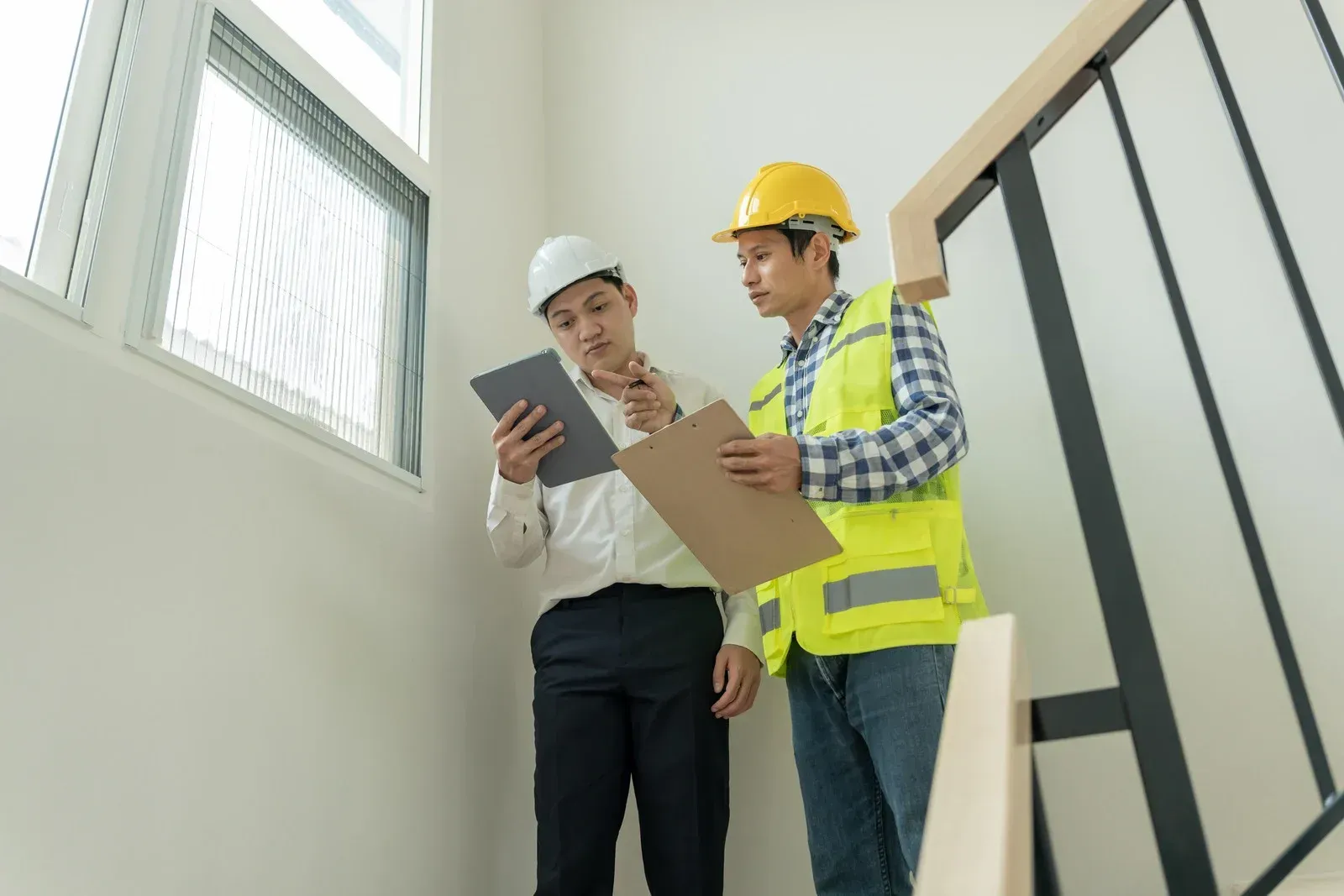
In a region like League City, Texas, where environmental conditions demand precision, this approach becomes essential. A home built with verified progress is not just completed—it is prepared, resilient, and ready to perform with consistency, stability, and lasting value.
Frequently Asked Questions
What are phase inspections in residential construction?
Phase inspections involve evaluating a home at multiple stages during construction to ensure each step meets structural, safety, and design standards. Instead of waiting until completion, inspections occur throughout the build, helping identify issues early, improve quality, and ensure that each stage supports the next effectively without compromising performance.
How many phases are typically inspected during construction?
Most residential phase inspections include foundation, framing, pre-drywall, and final stages, though additional inspections may be added depending on project complexity. Each phase focuses on specific structural or system elements, ensuring continuity throughout the build and reducing the likelihood of errors that could affect long-term performance or safety.
Why are pre-drywall inspections important?
Pre-drywall inspections allow visibility into electrical, plumbing, and HVAC systems before walls are sealed. This stage is critical because it identifies installation issues that would otherwise remain hidden. Addressing problems at this point avoids costly repairs later and ensures that all systems function correctly within the finished structure.
Do phase inspections delay construction timelines?
Phase inspections are designed to support construction efficiency, not delay it. By identifying issues early, they prevent major setbacks that could halt progress later. Scheduled inspections align with construction timelines, ensuring that each stage is verified quickly so the project can continue without unnecessary interruptions or rework.
Are phase inspections necessary for new homes?
Yes, new homes benefit significantly from phase inspections because they ensure construction quality at every stage. Even newly built properties can have overlooked issues. Inspections provide an added layer of verification, helping ensure that the home is built according to plans and performs reliably after completion.
How do phase inspections differ from final inspections?
Final inspections evaluate the completed home, while phase inspections assess construction at multiple stages. Phase inspections focus on preventing issues, whereas final inspections identify existing ones. Combining both approaches ensures a comprehensive evaluation, improving build quality and reducing the likelihood of defects after completion.
Can phase inspections help with builder accountability?
Yes, phase inspections provide documented evaluations that highlight workmanship and compliance at each stage. This creates transparency and encourages adherence to construction standards. With TurnKey Home Inspection in League City, Texas, inspections help maintain accountability while ensuring that each phase aligns with expected quality and structural requirements.
What makes phase inspections valuable in coastal regions?
Coastal environments introduce factors like humidity, soil movement, and weather variability that can impact construction. Phase inspections ensure that materials, installation methods, and structural elements are suited to these conditions. With TurnKey Home Inspection in League City, Texas, inspections are tailored to address regional challenges effectively.
What our customers have to say...
Testimonials