Mold Assessment Services in League City, Texas
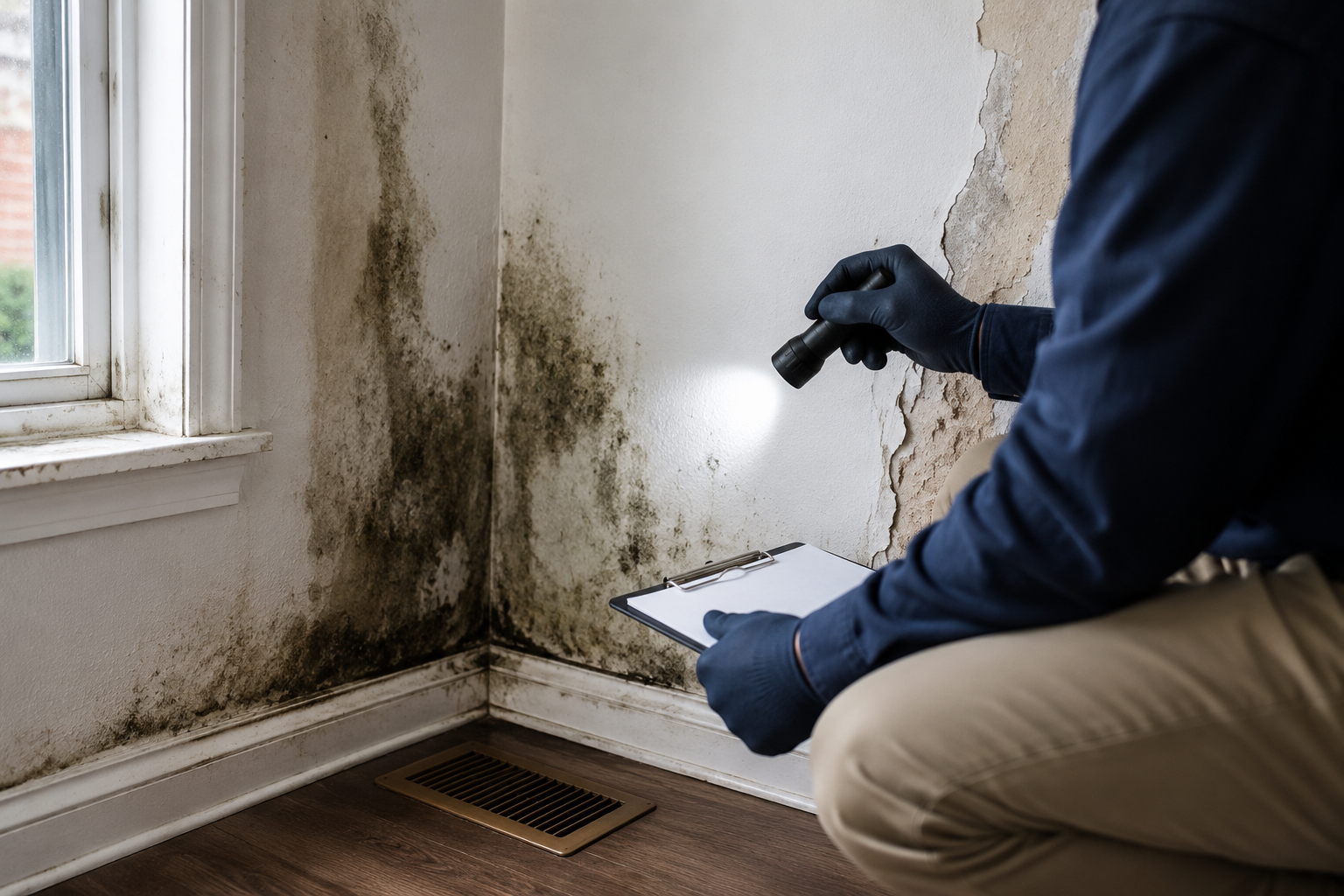
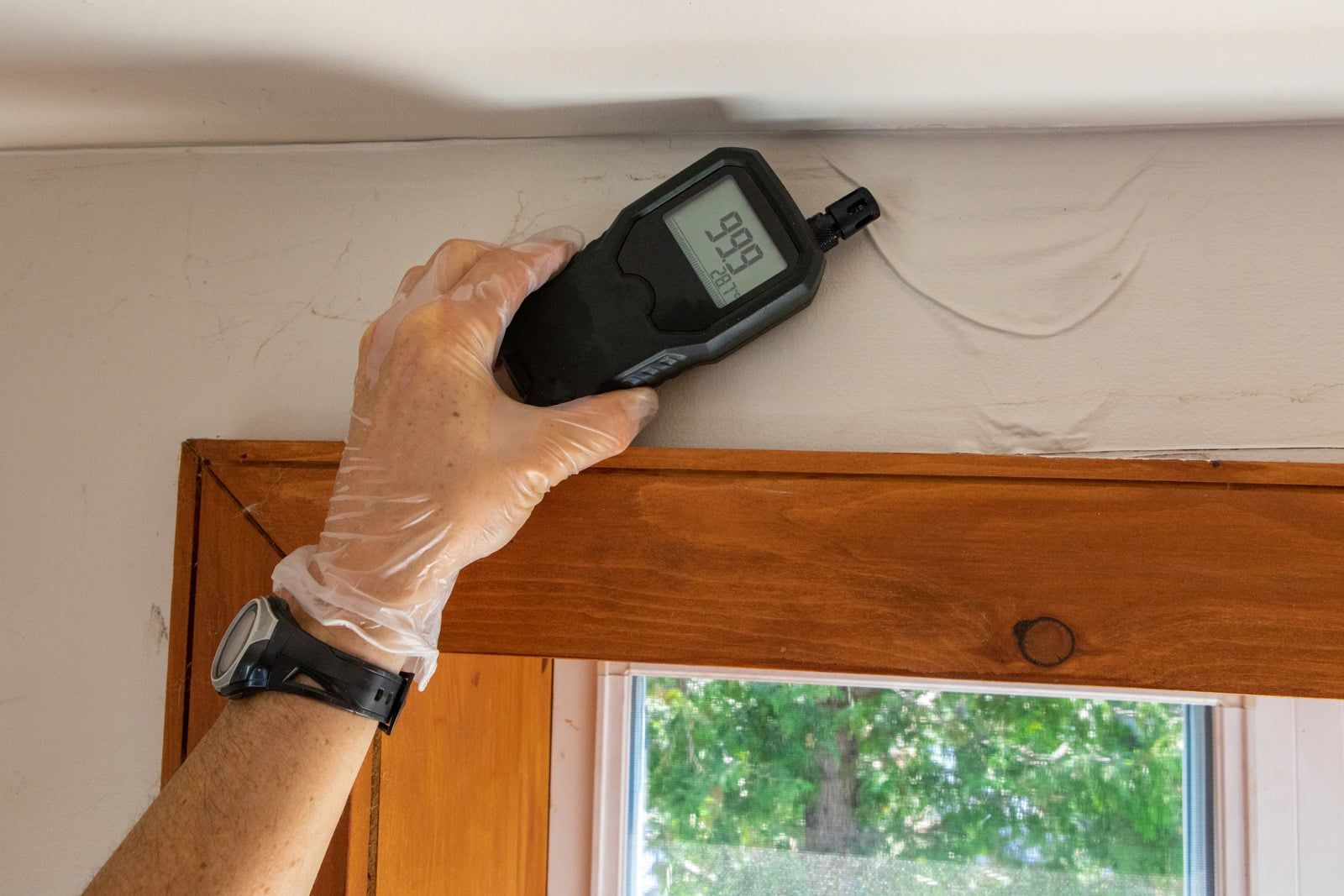
Licensed Mold Assessment Services
Mold concerns often begin quietly. They may appear behind a baseboard, above a ceiling stain, inside an HVAC chase, beneath flooring, or in areas affected by humidity, roof leaks, plumbing leaks, or storm-driven moisture. When moisture concerns are present, it is important to understand what is happening, where the moisture may be coming from, and whether further evaluation or corrective action is needed.
Turn Key Mold and Air Quality, a division of Turn Key Home Inspection, provides licensed mold assessment services for homeowners, buyers, sellers, property managers, and commercial clients who need clear answers backed by field experience, documentation, and Texas mold assessment requirements.
Our goal is to help clients move beyond assumptions by documenting observed conditions, identifying moisture-related concerns, and providing practical information that supports informed decisions regarding mold assessment, remediation planning, and property maintenance.
We serve League City, Texas, and the surrounding Gulf Coast communities with an understanding of the moisture-related conditions common throughout Galveston County, Harris County, and the Bay Area. High humidity, coastal air, slab foundation conditions, attic ventilation concerns, plumbing leaks, roof intrusion, and storm-related moisture can all contribute to mold-related concerns in residential and commercial properties.
Turn Key Mold and Air Quality provides licensed mold assessment services in League City, Friendswood, Webster, Seabrook, Dickinson, Clear Lake, and nearby communities where humidity and water intrusion can create indoor air quality concerns.
Every mold assessment is performed under Texas Mold Assessment Consultant License #MAC2268. That licensing matters because mold assessment is not guesswork, scare tactics, or a quick visual opinion. It requires a disciplined process, proper documentation, appropriate sampling decisions when needed, and clear separation from mold remediation activity.
With more than 15 years of inspection experience and extensive property knowledge, our approach is built around clarity, documentation, and responsible guidance. Our goal is simple: identify areas of concern, explain the evidence, and provide practical information that helps clients make informed decisions regarding mold assessment, remediation planning, real estate transactions, or property maintenance.
Mold Assessment Services We Provide
Visual Mold Assessment
A visual mold assessment helps identify observable conditions that may indicate moisture intrusion, suspect microbial growth, or indoor air quality concerns. We inspect readily accessible areas for staining, water damage, ventilation issues, material deterioration, and other moisture-related indicators. Our goal is to clearly document what is observed, explain any limitations, and determine whether additional testing or moisture investigation is needed.
Moisture Source Evaluation
We evaluate moisture conditions and potential pathways that may contribute to mold growth, including plumbing leaks, roof intrusion, condensation, drainage concerns, HVAC-related issues, and elevated humidity. Identifying the source of moisture is an important part of helping clients understand why mold-related conditions may be present and what corrective steps may be needed.
Our goal is to help prevent mold cleanup from becoming only a temporary solution by identifying the moisture conditions that should be addressed as part of a proper corrective plan.
Mold Sampling and Laboratory Analysis
When sampling is appropriate, air or surface samples may be collected to provide additional information about mold-related conditions. Sample locations are selected based on site conditions, visible indicators, moisture findings, occupant concerns, and the specific questions being evaluated.
Sampling is not performed blindly. Our goal is to use laboratory analysis as one part of the overall assessment, along with visual observations, moisture conditions, building history, and physical evidence, to help clients better understand the conditions present.
Written Mold Assessment Report
A written mold assessment report provides clear documentation of the conditions observed during the assessment. Our reports may include the assessment scope, visual observations, moisture findings, photographs, limitations, sampling information when applicable, and recommendations for appropriate next steps.
The goal is to provide clients, agents, property owners, and remediation professionals with a clear, organized report that helps them understand the findings and make informed decisions regarding correction, remediation planning, or further evaluation.
Mold Remediation Protocol and Work Scope Guidance
When mold-related conditions require corrective action, a clear plan is important. We can provide written recommendations or a mold remediation protocol when appropriate, outlining the affected areas, observed conditions, moisture concerns, and general corrective steps needed to address the issue.
The purpose of this guidance is to help property owners, remediation contractors, agents, and other involved parties understand the scope of concern and the steps that may be needed before repairs, reconstruction, or clearance evaluation..
Post-Remediation Verification Support
After mold remediation is completed, post-remediation verification can help determine whether the work area has been properly cleaned and whether additional evaluation may be needed before reconstruction or normal use resumes. We review the affected area, document visible conditions, evaluate moisture-related concerns, and determine whether additional cleaning, drying, or clearance sampling may be appropriate.
Our goal is to provide clear documentation that helps clients, remediation contractors, property owners, and other involved parties better understand the condition of the area after remediation work has been completed.
Benefits of Professional Mold Assessment
Clearer Understanding of Moisture Conditions
A professional mold assessment helps connect visible conditions, such as staining, discoloration, or suspect growth, to possible moisture sources, building materials, ventilation patterns, and past water events. Rather than treating mold-related concerns as isolated surface issues, the assessment looks for conditions that may be allowing moisture or mold growth to continue. Understanding the moisture source is an important step in determining the proper corrective action and helping reduce the likelihood of recurring mold-related concerns.
Better Real Estate Decisions
Mold-related concerns during a real estate transaction can create uncertainty for buyers, sellers, and agents. A licensed mold assessment provides objective documentation of visible conditions, moisture concerns, and sampling results when applicable. This helps all parties better understand whether further evaluation, corrective action, or remediation planning may be appropriate before closing. By replacing assumptions with documented findings, the assessment can help support informed discussions and more confident decision-making during the transaction.
Better Understanding of Indoor Conditions
Mold-related concerns may be associated with musty odors, elevated humidity, HVAC contamination, damp building cavities, or general indoor air quality concerns. A professional mold assessment helps document observed conditions and determine whether additional evaluation, sampling, or corrective action may be appropriate. This information helps property owners, occupants, and managers better understand the conditions being evaluated and make informed decisions regarding maintenance, remediation, or additional testing.
Documentation Before Remediation
A professional mold assessment creates important baseline documentation before cleanup or remediation begins. Written findings, moisture observations, affected area descriptions, photographs, and sampling recommendations when applicable help define the scope of concern. This documentation gives clients and remediation contractors a clearer starting point for planning corrective work, addressing moisture sources, and determining appropriate next steps.
Reduced Risk of Recurrence
Finding mold without identifying the moisture source is not enough. A professional mold assessment focuses on why the conditions developed, including possible leaks, drainage issues, elevated humidity, condensation, or ventilation concerns. By identifying moisture-related conditions before or during remediation planning, property owners can better address the cause of the problem and reduce the likelihood of the same issue returning after cleanup is completed.
Independent Licensed Mold Assessment
A licensed mold assessment provides clients with objective information before remediation decisions are made. Because mold assessment and mold remediation are separate services under Texas rules, this separation helps reduce conflicts of interest and allows the assessment process to remain focused on documentation, findings, and appropriate next steps. Clear reporting can assist with repair planning, contractor communication, remediation decisions, and post-remediation verification when needed.
When Moisture Raises Questions, Documentation Leads
Mold concerns should never be left to rumor, panic, or a quick glance at a stained wall. Turn Key Mold and Air Quality brings inspection discipline, Texas mold assessment licensing, and clear communication to properties across League City, Texas, and the surrounding Bay Area communities.
Through a licensed mold assessment process, we help clients understand visible conditions, moisture concerns, areas that may require further evaluation, and the appropriate next steps before remediation or repair begins. Every assessment is performed under Texas Mold Assessment Consultant License #MAC2268, expiring May 20, 2028, with reporting designed to support responsible, informed decisions.
Turn Key Mold and Air Quality is a DBA of Texas Turn Key Home Inspection PLLC.
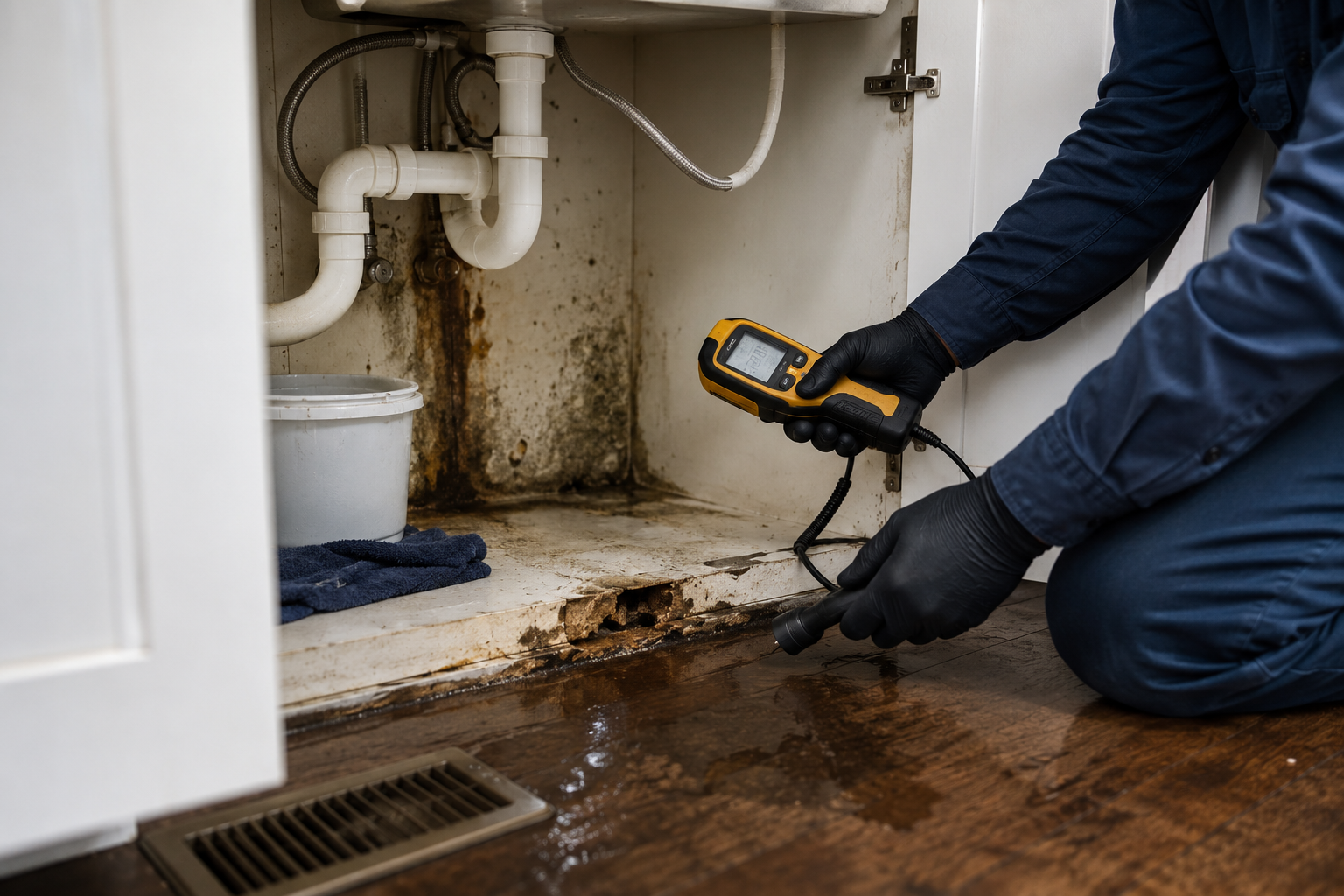
When indoor conditions are uncertain, licensed mold assessment provides clear documentation, helping clients better understand the property and make informed decisions with confidence.
Frequently Asked Questions
Is a mold assessment the same as mold remediation?
No. A mold assessment and mold remediation are two separate services. A mold assessment is performed to evaluate conditions, document concerns, identify moisture-related issues, and determine whether sampling or further evaluation may be appropriate.
Mold remediation is the cleanup or removal process. In Texas, keeping assessment and remediation separate helps reduce conflicts of interest and supports a more objective process for property owners. This separation allows clients to better understand the conditions before decisions are made regarding cleanup, repair, or post-remediation verification.
When should I schedule a mold assessment?
A mold assessment should be considered after plumbing leaks, flooding, roof damage, storm-related moisture, musty odors, unexplained staining, elevated humidity, ventilation concerns, or visible suspect growth. It may also be useful during a real estate transaction when moisture or mold-related concerns need to be documented before repair decisions, negotiations, or remediation planning move forward.
The goal of the assessment is to help identify visible conditions, moisture concerns, and whether sampling, further evaluation, or corrective action may be appropriate.
Does every mold concern require air sampling?
No. Air sampling is not always necessary. It is most useful when it helps answer a specific assessment question, such as whether airborne mold conditions appear elevated, whether one area should be compared to another, or whether additional information is needed beyond the visual assessment.
In some cases, visual observations, moisture readings, occupant concerns, and source evaluation may provide enough information to determine appropriate next steps. Sampling should be based on the conditions observed, not used as a default approach for every property.
What Are Common Signs That I May Need a Mold Assessment?
Common signs that may indicate the need for a mold assessment include musty odors, visible suspect growth, unexplained staining, prior leaks, water damage, elevated humidity, condensation, or recurring moisture problems. Mold-related concerns may also be associated with damp building materials, HVAC contamination, or areas that have experienced roof, plumbing, or storm-related moisture.
A licensed mold assessment can help document visible conditions, evaluate moisture concerns, and determine whether sampling, further evaluation, or corrective action may be appropriate.
Our goal is to help clients understand the findings before making decisions regarding repairs, remediation, or additional evaluation.
What does the mold assessment report include?
A mold assessment report may include the assessment scope, visual observations, photographs, moisture indicators, areas of concern, limitations, sampling details when performed, laboratory results when applicable, and recommendations for next steps.
The purpose of the report is to clearly document the conditions observed during the assessment and provide clients with useful information to support decisions regarding repairs, remediation planning, additional evaluation, or post-remediation verification.
Can mold assessment help before buying a property?
Yes. A licensed mold assessment can help buyers better understand whether staining, musty odors, prior leaks, damp areas, or visible suspect growth may indicate moisture or mold-related concerns beyond what is noticed during a typical property showing.
This information can help buyers make informed decisions before closing, request further evaluation when appropriate, discuss repair or remediation concerns, and better understand potential next steps before purchasing the property.
Why does licensing matter for mold assessment?
Texas regulates mold assessment because mold-related findings can affect remediation planning, repair decisions, real estate transactions, and property owner responsibilities. A licensed mold assessor is required to follow defined responsibilities, use appropriate assessment practices, and provide documentation that helps clients understand the conditions being evaluated.
Licensing also matters because Texas rules require separation between mold assessment and mold remediation on the same project, helping reduce conflicts of interest. This allows clients to receive objective information before making decisions about cleanup, repairs, or post-remediation verification.
Do you assess commercial properties too?
Yes. Turn Key Mold and Air Quality provides mold assessment services for both residential and commercial properties in League City and the surrounding areas. Commercial assessments may include offices, retail spaces, rental properties, multi-unit buildings, and other commercial facilities.
These assessments focus on documenting visible conditions, moisture concerns, occupant complaints, affected areas, and sampling results when applicable. The goal is to provide owners, managers, and other responsible parties with clear information to support maintenance decisions, remediation planning, or further evaluation.
What our customers have to say...
Testimonials