
Foundation & Structural Evaluation Services in League City, Texas
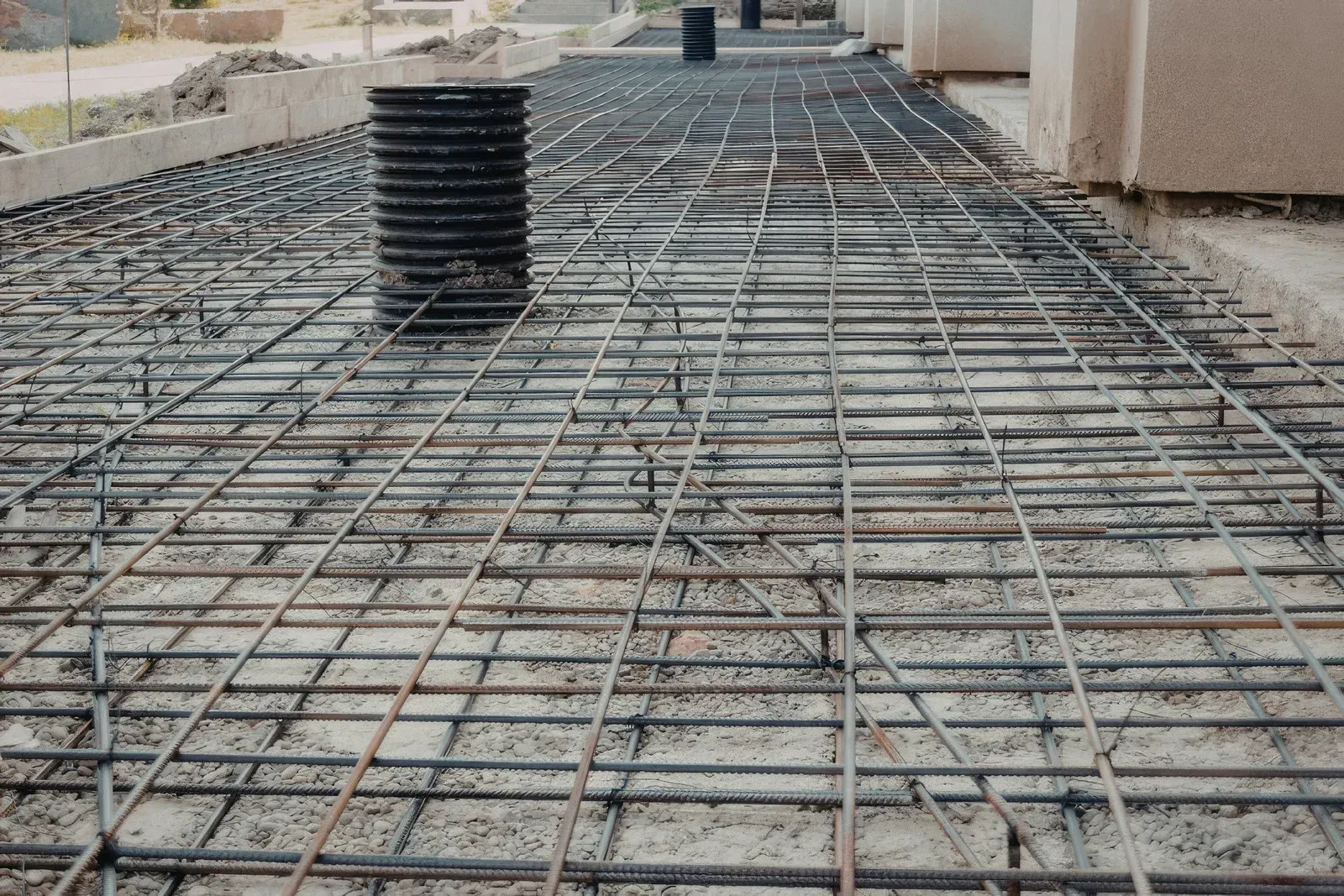

Structural Evaluation Focused on Stability and Load Integrity
The strength of any structure is defined long before finishes, fixtures, or design elements come into view—it begins at the foundation and extends through every load-bearing component. At Turn Key Home Inspection, foundation and structural evaluations are approached with a focus on how a property truly performs under stress, time, and environmental influence. Small shifts, hairline cracks, or subtle unevenness may seem insignificant, yet they often signal deeper structural movement that requires careful interpretation. Our approach is built on identifying these early indicators and understanding what they reveal about the overall stability of a property.
We serve League City, Texas as well as the surrounding areas, including Dickinson, Friendswood, Webster, and Clear Lake. Properties throughout Galveston County are influenced by expansive clay soils, coastal moisture, and fluctuating weather patterns. These regional conditions can contribute to foundation movement, soil shifting, and structural stress over time. Our evaluations are shaped by these local environmental factors, ensuring every inspection reflects how structures perform within this specific Gulf Coast setting.
A foundation and structural evaluation is not just about identifying visible damage—it is about understanding how a structure responds to its environment over time. From load distribution to soil interaction, every factor plays a role in long-term stability. Our evaluations translate complex structural behavior into clear, actionable insights, helping you plan, protect, and move forward with confidence. Book your foundation and structural evaluation today and take control of your property’s stability.
Our Foundation & Structural Evaluation Services
Foundation Crack and Settlement Analysis
This service focuses on evaluating visible cracks, settlement patterns, and surface irregularities. By analyzing crack size, direction, and location, inspectors determine whether movement is active or historical. This helps identify potential structural concerns and ensures appropriate recommendations are made to maintain long-term foundation stability and performance.
Structural Framing and Load Assessment
Load-bearing components such as beams, joists, and supports are examined for stress, damage, or improper installation. This evaluation ensures that weight distribution remains balanced throughout the structure. Identifying structural imbalances early helps prevent sagging, uneven floors, and long-term deterioration of key load-bearing systems within the property.
Slab and Pier Foundation Evaluation
Different foundation types require specific evaluation methods. This service assesses slab and pier systems for movement, moisture impact, and structural integrity. Understanding how each foundation type interacts with soil conditions ensures accurate identification of potential risks and supports effective maintenance or repair planning when necessary.
Soil and Drainage Impact Review
Drainage patterns and soil behavior significantly influence foundation performance. This evaluation examines grading, water flow, and soil moisture levels around the structure. Identifying drainage issues helps prevent water accumulation and soil instability, reducing the risk of foundation movement and preserving long-term structural reliability.
Structural Alignment and Level Inspection
Uneven floors or misaligned structural components can indicate underlying issues. This service evaluates levelness and alignment throughout the property to detect irregularities. Understanding these variations helps determine whether structural movement is occurring and ensures that corrective measures can be taken before conditions worsen significantly.
Exterior Structural Condition Assessment
Exterior elements such as walls, support columns, and visible structural connections are inspected for signs of stress or deterioration. This evaluation identifies cracks, displacement, or material fatigue that may affect stability. Addressing these concerns early helps maintain structural integrity and prevents further damage from environmental exposure.
Benefits of Foundation & Structural Evaluations
Early Identification of Structural Movement
Detecting early signs of foundation movement helps prevent progressive structural damage. Minor cracks or uneven surfaces often indicate underlying shifts. A detailed evaluation identifies these warning signs before they worsen, allowing timely corrective action that protects structural integrity and reduces the likelihood of costly repairs in the future.
Improved Long-Term Structural Stability
Evaluating load-bearing components ensures that structural elements are performing as intended. Identifying weaknesses in beams, supports, or foundation systems helps maintain overall stability. Addressing these concerns early improves the structure’s ability to withstand environmental stress, preserving safety and durability over extended periods of use.
Protection Against Soil-Related Issues
Soil conditions play a major role in foundation performance. Structural evaluations assess how soil expansion, contraction, and moisture levels affect stability. Understanding these interactions helps prevent foundation settlement, heaving, or shifting, ensuring the structure remains properly supported despite environmental changes and varying ground conditions over time.
Enhanced Property Value and Market Confidence
A well-documented structural evaluation provides transparency and reassurance for buyers and investors. Understanding the condition of the foundation and structural systems strengthens negotiation positions and reduces uncertainty. This level of clarity helps maintain property value while supporting smoother transactions and confident decision-making throughout the buying or selling process.
Reduced Risk of Secondary Damage
Structural issues often lead to additional problems such as misaligned doors, cracked walls, or plumbing stress. Identifying the root cause early prevents these secondary issues from developing. Addressing foundational concerns at the source helps maintain overall property condition and avoids cascading damage that can impact multiple systems within the home.
Informed Planning for Repairs and Maintenance
A comprehensive evaluation provides a clear understanding of current conditions and potential future concerns. This insight allows for strategic planning of repairs or maintenance. Instead of reacting to sudden issues, property owners can prioritize improvements based on accurate structural information, ensuring efficient use of time and resources moving forward.
Build Confidence With Verified Structural Performance and Safety
A structure’s reliability is defined by what lies beneath and how it responds to the forces around it. At Turn Key Home Inspection, foundation and structural evaluations are designed to uncover those critical details, providing clarity where uncertainty often exists. By examining how materials, load distribution, and environmental conditions interact, we deliver insights that go beyond surface-level observations. In League City and surrounding coastal areas, where soil movement and moisture influence structural performance, this level of understanding becomes essential.
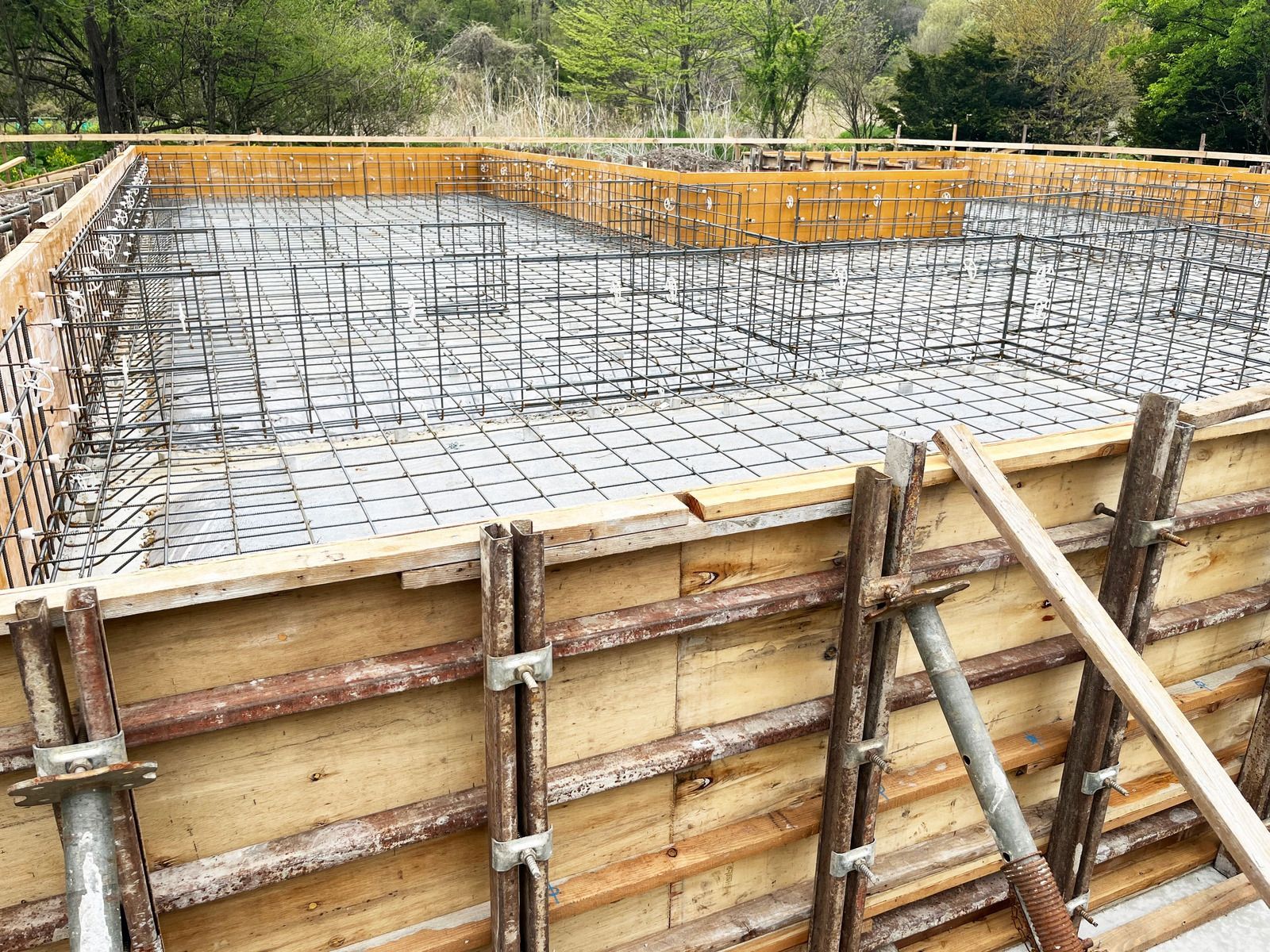
Each evaluation provides a clear picture of current conditions while helping anticipate future performance. With accurate information guiding every decision, you gain the confidence to protect, maintain, and plan for your property with certainty.
Frequently Asked Questions
What is included in a foundation and structural evaluation?
A foundation and structural evaluation includes inspecting the foundation, load-bearing elements, visible cracks, alignment, and structural components. It also involves assessing soil interaction and drainage impact. The goal is to understand how the structure performs as a system and identify any conditions affecting stability or long-term durability.
What are common signs of foundation problems?
Common signs include cracks in walls or floors, uneven surfaces, sticking doors, and visible gaps around windows. These indicators may suggest structural movement or foundation stress. Early evaluation helps determine whether these signs are cosmetic or linked to deeper issues requiring attention and possible corrective measures.
How often should foundation evaluations be conducted
Foundation evaluations are recommended periodically, especially in areas with active soil movement. Annual inspections or evaluations after significant weather changes can help identify early issues. Regular monitoring ensures that minor concerns are addressed promptly before they develop into more serious structural problems affecting the property.
Can structural issues affect other parts of the home?
Yes, structural issues can impact multiple systems within a property. Movement in the foundation may lead to cracks, misaligned doors, plumbing stress, or uneven flooring. Addressing structural concerns early helps prevent these secondary issues from developing, maintaining overall property condition and functionality over time.
Are all foundation cracks serious?
Not all cracks indicate serious structural problems. Some may result from normal settling, while others signal active movement. The key is evaluating crack size, direction, and progression. A professional assessment helps determine whether the crack is stable or requires further attention to prevent long-term structural damage.
How does soil affect foundation performance?
Soil plays a critical role in supporting a foundation. Expansive soils can swell with moisture and shrink during dry conditions, causing movement. At TurnKey Home Inspection in League City, Texas, evaluations consider these soil behaviors to determine how they influence structural stability and long-term foundation performance.
When should a structural evaluation be done before selling?
A structural evaluation is best conducted before listing a property. Identifying and addressing issues early allows for better preparation and transparency. This helps reduce surprises during buyer inspections and supports smoother negotiations by providing clear, reliable information about the structural condition of the home.
How long does a foundation evaluation take?
The duration depends on the size and complexity of the property, but most evaluations take one to two hours. At TurnKey Home Inspection in League City, Texas, the focus remains on thorough analysis rather than speed, ensuring each structural component is carefully assessed and accurately documented for reliable decision-making.
What our customers have to say...
Testimonials