
Thermal Imaging Inspections in League City, Texas
Advanced Thermal Imaging to Detect Property Issues
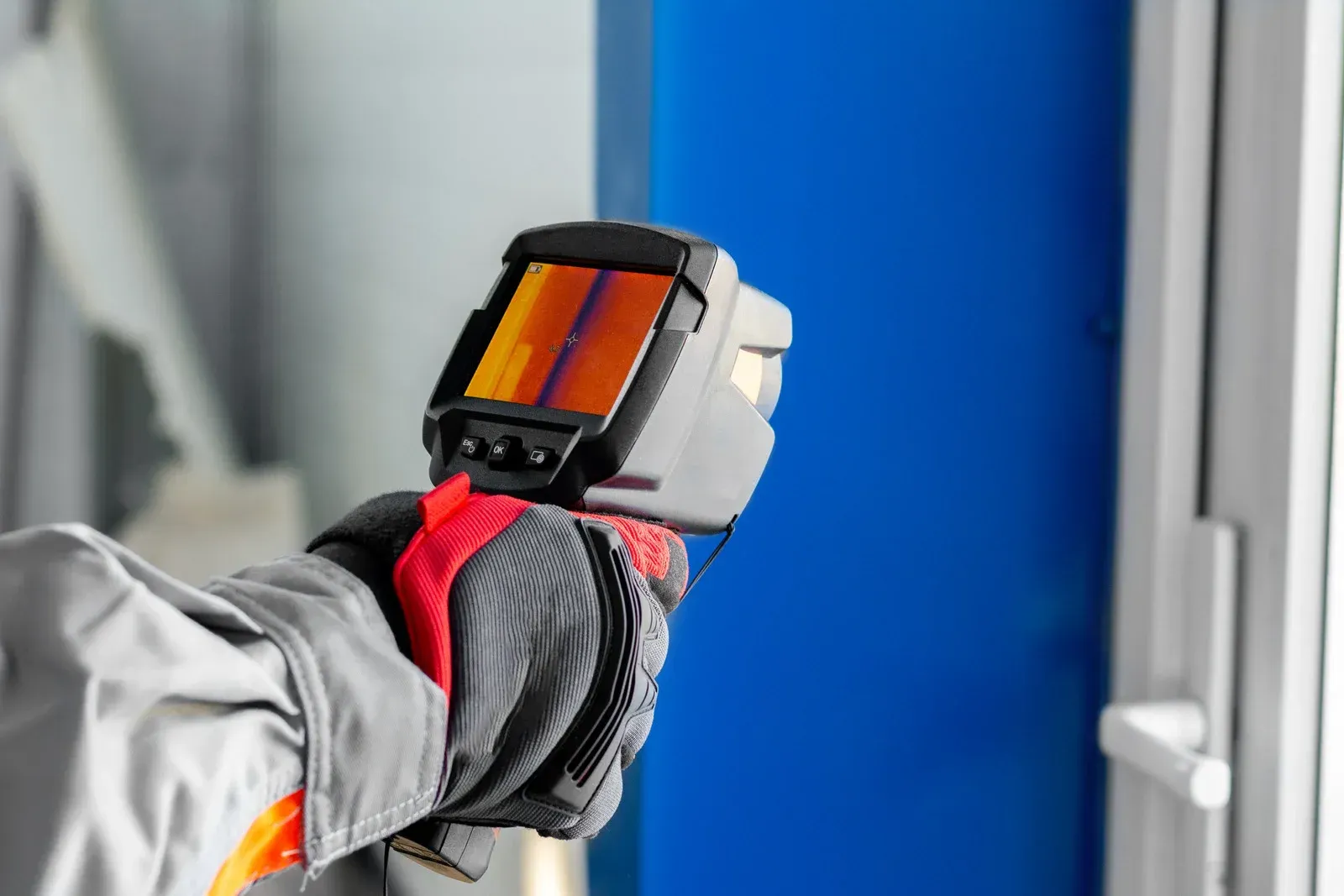
Some of the most important issues in a property exist beyond what the eye can detect. At Turn Key Home Inspection, thermal imaging inspections are used as a powerful diagnostic tool to uncover patterns of heat, moisture, and energy loss that traditional evaluations may miss. Behind walls, beneath flooring, and within ceilings, temperature variations reveal stories about insulation gaps, electrical irregularities, and developing moisture intrusion. These insights allow us to move beyond surface-level observation and deliver a deeper understanding of how a structure truly performs. When used with precision and context, thermal imaging transforms invisible concerns into clear, actionable information.
We serve League City, Texas as well as the surrounding areas including Dickinson, Friendswood, Webster, and Kemah. Across Galveston County, high humidity levels, coastal air, and fluctuating temperatures create conditions where moisture intrusion and energy inefficiencies can develop unnoticed. These regional factors make thermal imaging especially valuable, as it allows us to detect subtle environmental impacts that influence building performance over time. A localized approach ensures that each scan reflects how properties in this area respond to real conditions.
Thermal imaging is not about replacing traditional inspection methods—it is about enhancing them. By combining visual evaluation with infrared technology, we identify issues at an early stage. The result is a clearer, more complete picture of the property’s condition, helping homeowners and property stakeholders make informed decisions with confidence.
Our Thermal Imaging Inspection Services
Moisture Intrusion Detection and Mapping
We use thermal imaging to identify areas of moisture buildup within walls, ceilings, and floors. By mapping temperature variations, we locate potential leaks or water intrusion points, helping property owners address issues early and prevent further damage to structural components and interior finishes.
Insulation Performance and Heat Loss Analysis
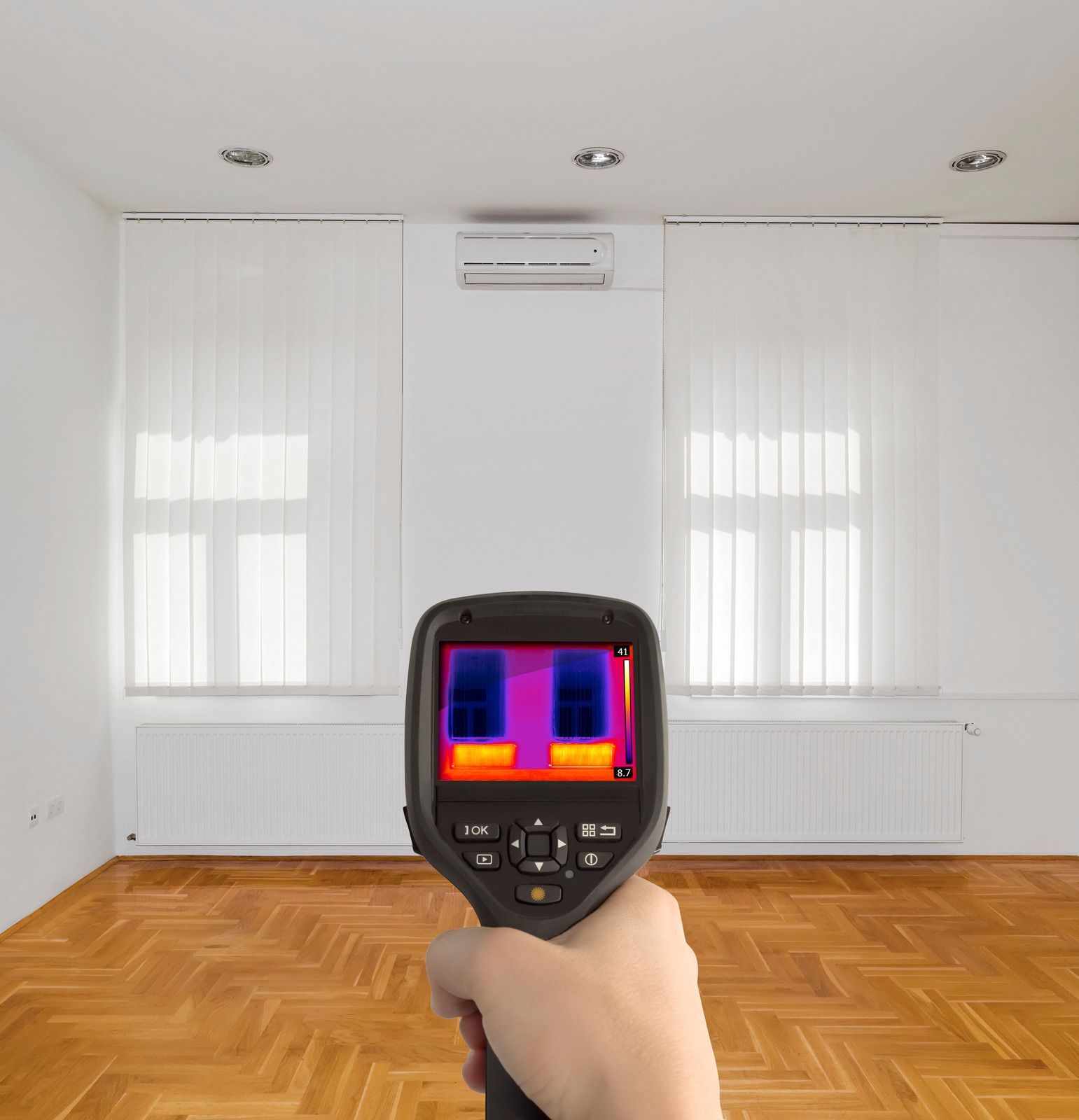
Thermal scans reveal inconsistencies in insulation coverage and areas where heat escapes. This evaluation helps identify gaps or deficiencies that impact energy efficiency, allowing property owners to improve insulation performance and maintain consistent indoor conditions throughout the building.
Electrical System Thermal Evaluation
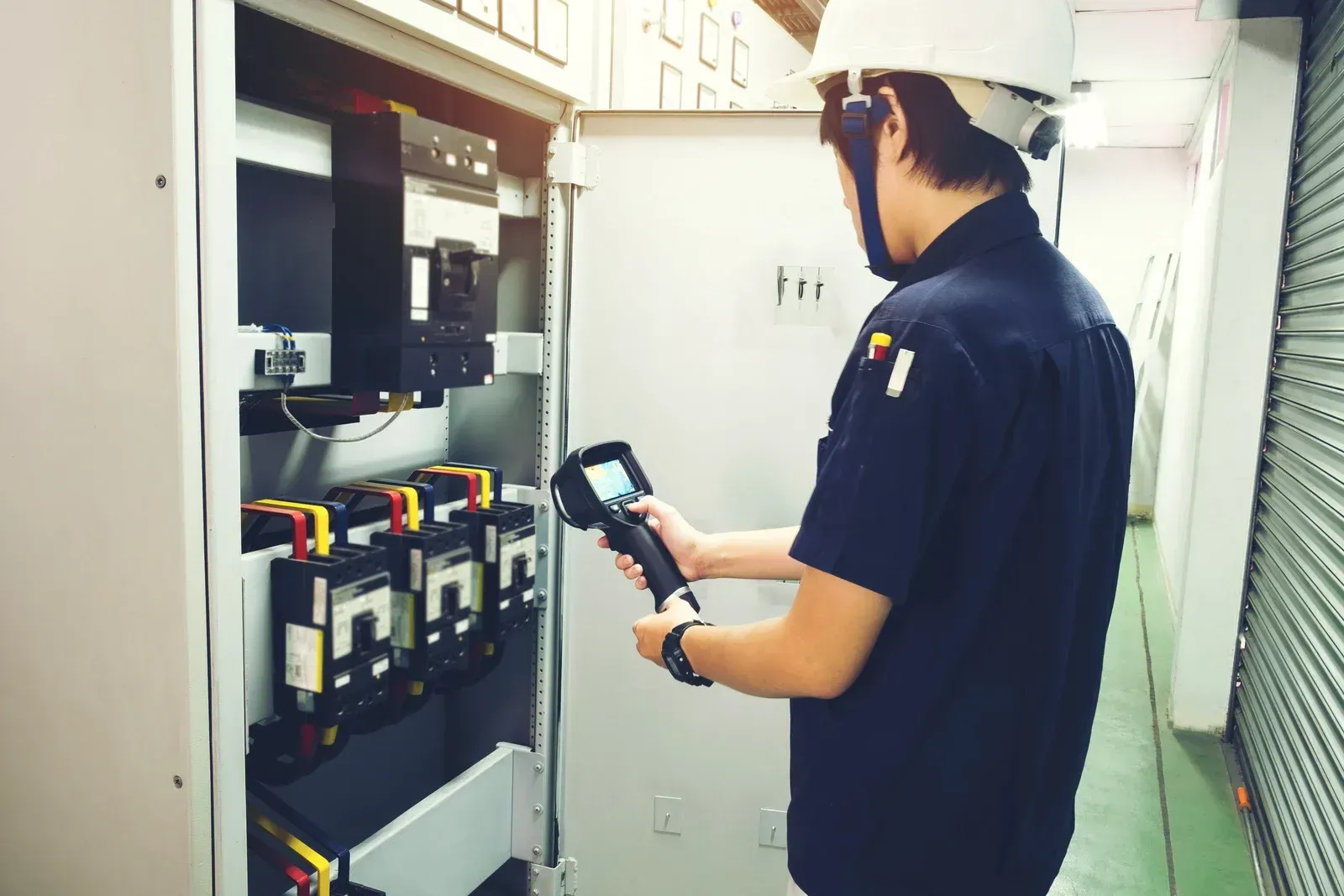
We assess electrical panels, circuits, and components for abnormal heat signatures. This process helps identify potential issues such as overloaded circuits or faulty connections, ensuring that electrical systems operate safely and efficiently while reducing the risk of unexpected failures.
HVAC System Performance Inspection
Thermal imaging is used to evaluate HVAC system performance, including airflow distribution and duct insulation. By identifying temperature inconsistencies, we help ensure that heating and cooling systems operate efficiently, maintaining comfort while minimizing energy waste and system strain.
Roofing and Building Envelope Thermal Scanning
We evaluate roofing systems and exterior surfaces for heat anomalies that may indicate insulation issues, moisture intrusion, or material deterioration. This assessment helps ensure that the building envelope performs effectively, protecting the structure from environmental exposure and energy loss.
Comprehensive Thermal Imaging Reporting
A detailed report is provided outlining all findings, including thermal images and explanations of observed conditions. This documentation supports decision-making, helping property owners understand identified issues and prioritize necessary actions based on clear and reliable information.
Benefits of Thermal Imaging Inspections
Detect Moisture Before Visible Damage Appears
Moisture intrusion often develops behind walls or beneath surfaces before becoming visible. Thermal imaging identifies temperature differences caused by damp areas, allowing early detection of leaks or water accumulation. Addressing these issues early helps prevent mold growth, structural damage, and costly repairs over time.
Improve Energy Efficiency and Reduce Utility Costs
Thermal imaging reveals insulation gaps, air leaks, and thermal bridging that impact energy efficiency. Identifying these problem areas allows property owners to improve insulation and sealing, reducing energy loss. This leads to more consistent indoor temperatures and lower utility costs through improved overall system performance.
Identify Electrical Hotspots and Potential Hazards
Electrical systems can develop hotspots due to overloaded circuits or faulty connections. Thermal imaging detects these heat patterns before they lead to failure or safety risks. Early identification allows for timely repairs, reducing the likelihood of electrical malfunctions and improving overall system safety.
Enhance Accuracy of Property Condition Assessments
Traditional inspections rely on visible signs, which may not reveal underlying issues. Thermal imaging adds another layer of accuracy by identifying anomalies. This enhanced precision ensures a more complete understanding of property condition, supporting better decision-making and reducing the risk of overlooked problems.
Support Preventative Maintenance Planning Strategies
Thermal imaging provides insight into developing issues before they escalate. This information helps property owners plan maintenance proactively, addressing concerns at an early stage. Preventative action reduces long-term repair costs and ensures that systems and structural components continue to perform reliably over time.
Provide Non-Invasive Inspection Without Structural Disruption
Thermal imaging allows for detailed analysis without damaging walls or structures. By using infrared technology, inspections can identify issues without invasive methods. This approach preserves the integrity of the property while still delivering valuable insights into conditions that require attention.
Reveal Problems With Precision Infrared Inspection Technology
At TurnKey Home Inspection, thermal imaging inspections are designed to reveal what cannot be seen through traditional methods alone. By combining advanced infrared technology with detailed analysis, we uncover conditions that impact performance, safety, and efficiency. In League City, Texas, where humidity and environmental factors influence how buildings behave, this added layer of insight becomes essential. Identifying moisture intrusion, insulation gaps, and electrical anomalies early allows property owners to take action before issues escalate into costly repairs.
Thermal imaging transforms uncertainty into clarity, providing a deeper understanding of how a property truly functions beneath the surface. With this knowledge, decisions are no longer based on assumptions but on verified information. The result is confidence—confidence that every detail has been considered and every potential issue has been brought into the light.
Frequently Asked Questions
What is a thermal imaging inspection?
A thermal imaging inspection uses infrared technology to detect temperature variations within a property. These variations can indicate issues such as moisture intrusion, insulation gaps, or electrical problems. The process provides a non-invasive way to identify concerns that are not visible during a standard visual inspection.
Is thermal imaging included in a standard home inspection?
Thermal imaging is typically offered as an add-on service rather than included in standard inspections. It enhances the inspection by providing additional insight into the conditions. Combining both methods ensures a more comprehensive evaluation of the property’s performance and potential issues.
Can thermal imaging detect water leaks?
Yes, thermal imaging can help identify water leaks by detecting temperature differences caused by moisture. While it does not directly see water, it highlights areas where moisture may be present. This allows for early detection and targeted investigation before visible damage occurs.
Is thermal imaging accurate for insulation problems?
Thermal imaging is highly effective in identifying insulation gaps and inefficiencies. It shows areas where heat escapes or enters, helping pinpoint problem zones. This information allows property owners to improve insulation performance and reduce energy loss for better overall efficiency.
Are thermal imaging inspections invasive?
No, thermal imaging inspections are completely non-invasive. They do not require opening walls or damaging structures. Instead, infrared cameras capture temperature differences, providing valuable insight without disrupting the property or its components.
How long does a thermal imaging inspection take?
The duration depends on the size and complexity of the property. Most inspections can be completed within a few hours. The focus is on thorough scanning and accurate interpretation, ensuring that all relevant areas are properly evaluated for issues.
Why choose thermal imaging in League City, Texas?
At TurnKey Home Inspection in League City, Texas, thermal imaging is especially valuable due to the region’s humidity and environmental conditions. These factors can cause moisture and energy inefficiencies. Using thermal imaging ensures that these issues are identified early, providing accurate insights tailored to local conditions.
Does thermal imaging replace traditional inspections?
No, thermal imaging does not replace traditional inspections. At TurnKey Home Inspection in League City, Texas, it is used as a complementary tool that enhances overall evaluation. Combining both methods ensures a more detailed and accurate understanding of the property’s condition and performance.
What our customers have to say...
Testimonials