Roof & Attic Inspection Services in League City, Texas
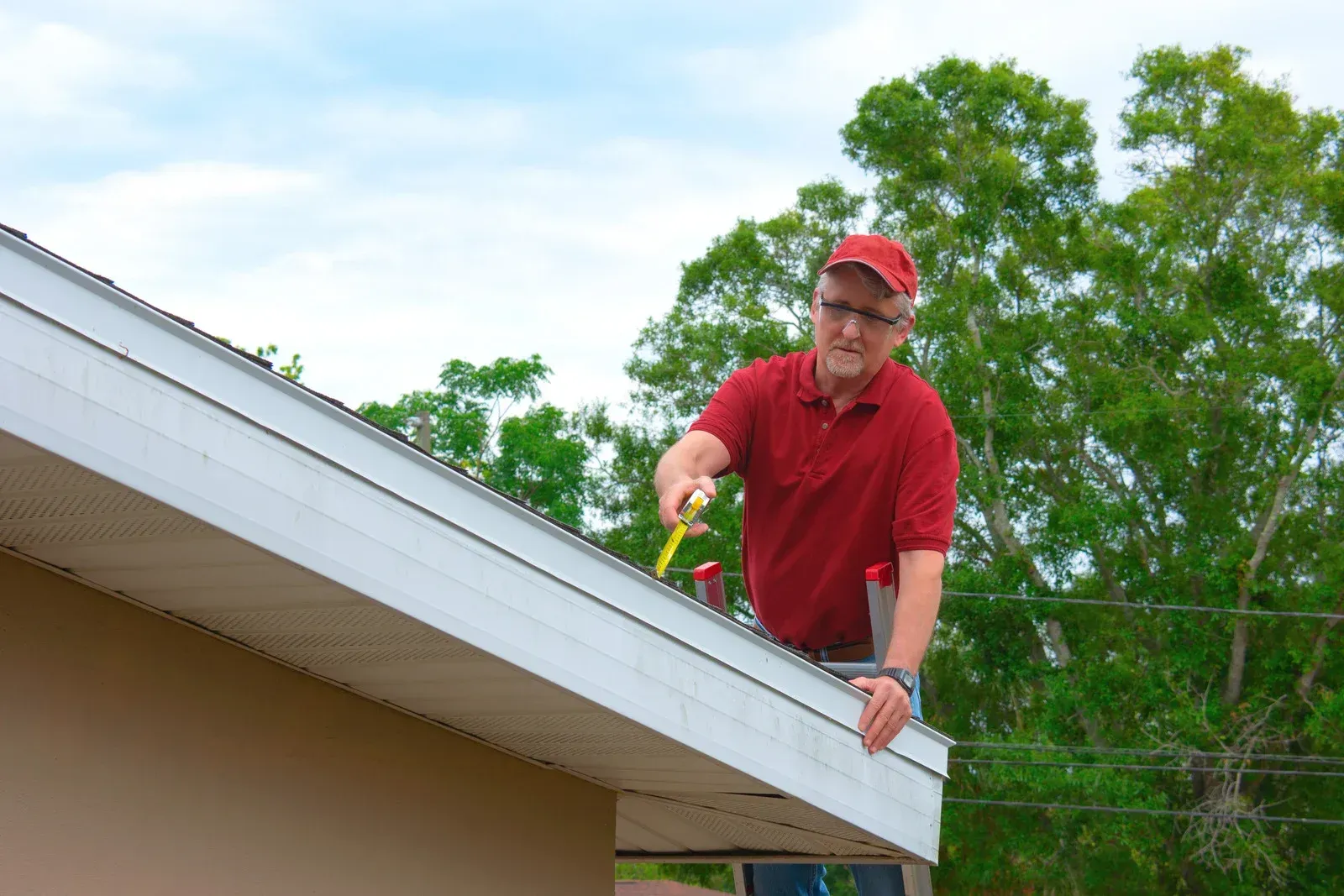
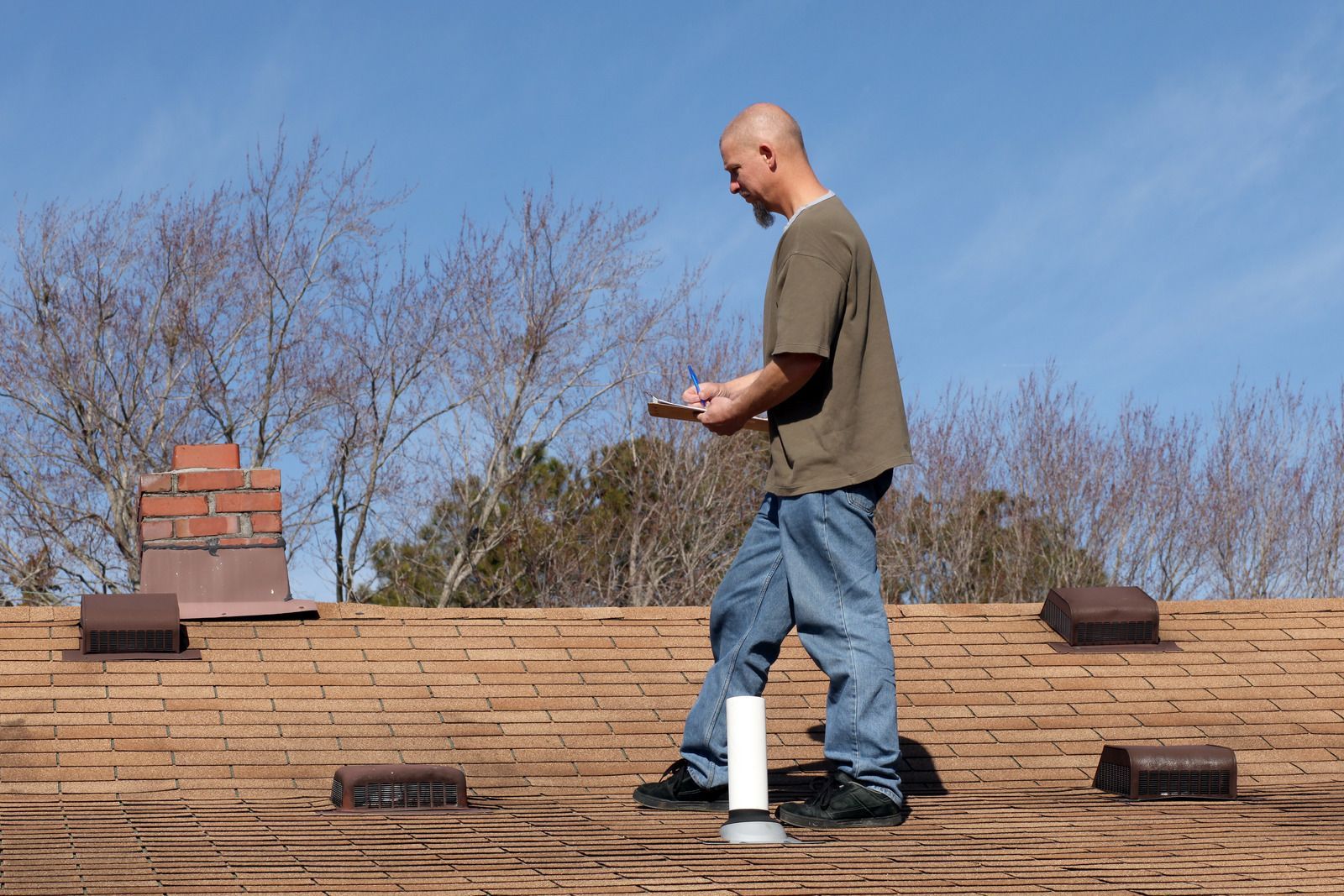
Roof and Attic Evaluation for Structural Protection Assurance
A roof and attic are more than structural components—they are the frontline defense of any home, silently managing exposure to weather, temperature shifts, and moisture. At Turn Key Home Inspection, every roof and attic inspection is approached as a complete system evaluation, uncovering how each element performs together under real-world conditions. What may appear stable from the outside can hide underlying issues such as ventilation imbalance, insulation inefficiency, or early-stage deterioration. Our goal is to bring details into focus with clarity and precision. By examining both visible and concealed components, we ensure that no critical factor is overlooked, giving you a complete understanding of how your home truly functions above the ceiling line.
We serve League City, Texas as well as the surrounding areas, including Dickinson, Friendswood, Webster, and Clear Lake. Across Galveston County, coastal humidity, salt-laden air, and frequent weather changes create unique stress on roofing systems and attic environments. These conditions can accelerate wear, impact ventilation, and influence moisture retention. Our inspections are shaped by these regional factors, ensuring every evaluation reflects the specific challenges properties face in this coastal Texas climate.
A roof and attic inspection is not just about identifying damage—it is about understanding performance over time. From airflow efficiency to structural integrity, every detail contributes to long-term durability and energy efficiency. Our inspections transform complex system behavior into clear, actionable insights, helping you make confident decisions whether maintaining, buying, or preparing to sell a property. Schedule your roof and attic inspection today and gain clarity you can trust.
Our Roof & Attic Inspection Services
Roofing Material Condition Evaluation
This service involves assessing the visible condition of roofing materials, including shingles, flashing, and sealants. Inspectors look for signs of wear, damage, or improper installation. Identifying these issues early helps prevent leaks, improves durability, and ensures the roof continues to provide reliable protection against environmental exposure over time.
Attic Ventilation and Airflow Analysis
Proper ventilation is critical for maintaining temperature balance and preventing moisture buildup. This inspection evaluates airflow pathways, intake and exhaust vents, and overall system performance. Identifying restrictions or imbalances ensures the attic maintains consistent airflow, reducing heat accumulation and protecting structural components from long-term damage and inefficiencies.
Insulation Performance Assessment
Insulation plays a key role in energy efficiency and indoor comfort. This service examines insulation type, coverage, and effectiveness. Detecting gaps, compression, or deterioration helps improve thermal performance. Optimized insulation reduces energy loss, supports consistent indoor temperatures, and prevents unnecessary strain on heating and cooling systems throughout the year.
Moisture Intrusion and Leak Detection
Even small leaks can cause significant long-term damage if left unaddressed. This inspection focuses on identifying water intrusion points, condensation patterns, and areas prone to moisture accumulation. Early detection protects structural components, prevents mold growth, and ensures the attic environment remains dry, stable, and safe under varying environmental conditions.
Structural Integrity and Framing Inspection
The attic structure supports the entire roofing system. This service evaluates rafters, trusses, and decking for signs of stress, damage, or improper modifications. Ensuring structural stability helps maintain roof performance and prevents issues such as sagging or uneven load distribution that can compromise the overall integrity of the home.
Electrical and Safety Component Review
Attics often contain wiring and mechanical components that require careful evaluation. This inspection identifies exposed wiring, improper installations, or potential hazards. Ensuring electrical safety within the attic reduces fire risks and supports overall system reliability, creating a safer environment while maintaining compliance with recommended safety standards.
Benefits of Roof & Attic Inspections
Early Detection of Structural Concerns
Identifying structural weaknesses early helps prevent minor issues from escalating into costly repairs. A detailed inspection uncovers damage such as sagging decking, compromised framing, or weakened support elements. Addressing these concerns promptly ensures the roof system maintains stability, protecting the home from progressive deterioration over time effectively.
Improved Energy Efficiency and Performance
A properly inspected attic reveals insulation gaps, ventilation inefficiencies, and heat transfer issues that impact energy usage. By identifying these concerns, homeowners can improve temperature regulation and reduce energy costs. Optimizing airflow and insulation performance enhances comfort while preventing strain on HVAC systems throughout changing seasonal conditions year-round consistently.
Moisture and Mold Risk Prevention
Moisture buildup in attic spaces can lead to mold growth, wood rot, and insulation damage. A thorough inspection detects early signs of condensation, leaks, and ventilation imbalance. Preventing moisture-related issues not only protects structural components but also supports healthier indoor air quality and long-term durability of the entire home environment.
Extended Roof Lifespan
Routine inspections help extend the life of roofing materials by identifying wear patterns, weather damage, and installation issues. Addressing these factors early reduces long-term stress on the roof system. Proper maintenance guided by inspection findings ensures materials perform as intended, delaying the need for premature replacement and costly repairs significantly.
Enhanced Safety and Risk Awareness
Roof and attic inspections identify potential safety hazards such as exposed wiring, structural instability, or blocked ventilation pathways. Recognizing these risks allows homeowners to take corrective action before they become serious concerns. A safer attic and roof environment contributes to overall home safety and peace of mind for occupants.
Better Decision-Making for Property Transactions
Whether buying or selling, a comprehensive inspection provides clear insights into roof and attic conditions. Understanding current performance and potential future repairs allows for informed negotiations and planning. This transparency reduces uncertainty, helping all parties make confident decisions backed by reliable, detailed information about the property’s condition.
Protect Interior Spaces With Reliable Roofing System Performance
A home’s true condition is often defined by what cannot be seen at first glance. At Turn Key Home Inspection, roof and attic inspections are designed to reveal details, transforming uncertainty into clarity through a process grounded in precision and real-world understanding. By evaluating how structural elements, airflow, insulation, and environmental exposure interact, we provide a complete picture of performance that goes far beyond surface observations.
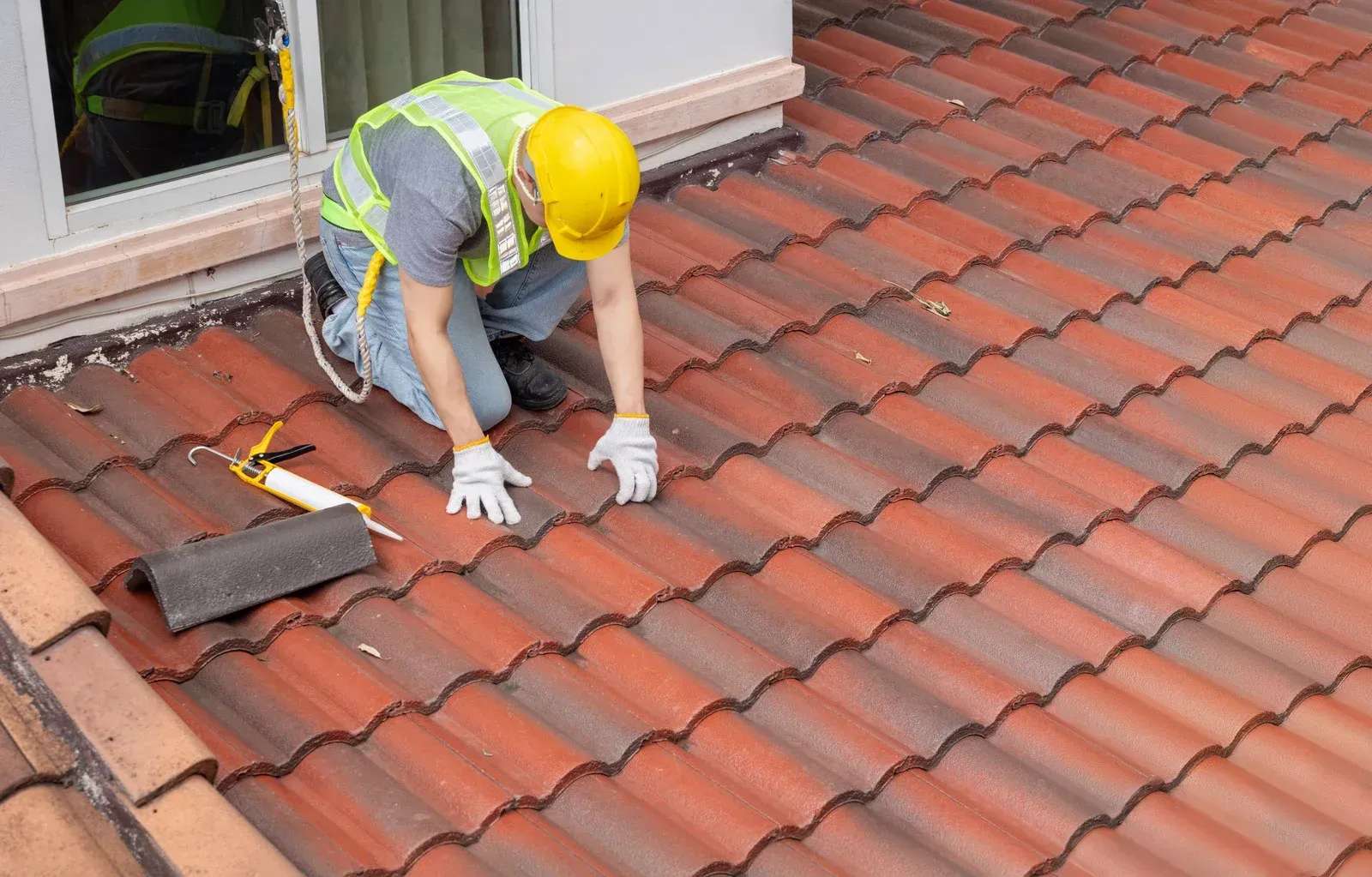
In League City, Texas and across surrounding coastal communities, where humidity, storms, and shifting conditions constantly influence building systems, this level of insight becomes essential. A well-informed perspective allows you to act with confidence, whether addressing maintenance, preparing for a transaction, or planning long-term improvements. Each inspection helps you understand your home today and plan confidently for tomorrow.
Frequently Asked Questions
What does a roof and attic inspection include?
A roof and attic inspection includes evaluating roofing materials, structural components, insulation, ventilation, and signs of moisture or damage. It also involves checking safety elements such as wiring and airflow pathways. The goal is to assess how all components function together and identify any issues affecting performance or durability.
How often should roof and attic inspections be done?
Roof and attic inspections should generally be conducted annually or after significant weather events. Regular evaluations help identify early-stage issues before they worsen. Properties in areas with high humidity or frequent storms may benefit from more frequent inspections to maintain consistent performance and prevent unexpected structural or moisture-related problems.
Can attic issues affect energy bills?
Yes, attic issues can significantly impact energy efficiency. Poor insulation or inadequate ventilation allows heat transfer and temperature imbalance, causing HVAC systems to work harder. Addressing these problems improves energy performance, reduces utility costs, and maintains consistent indoor comfort throughout seasonal changes, especially in climates with high temperature fluctuations.
Are roof problems always visible from outside?
Not all roof problems are visible externally. Many issues originate beneath the surface, including structural weaknesses, insulation gaps, or ventilation imbalances. An attic inspection provides insight into conditions that cannot be detected from a ground-level or exterior view, ensuring a more accurate understanding of the roof system.
Why is ventilation important in attic spaces?
Ventilation helps regulate temperature and moisture levels within the attic. Without proper airflow, heat and humidity can build up, leading to mold growth, material deterioration, and reduced energy efficiency. Balanced ventilation ensures consistent air movement, protecting both structural components and insulation from long-term damage and performance decline.
Can inspections help during a home sale?
Yes, inspections provide transparency and help sellers address concerns before listing. At TurnKey Home Inspection in League City, Texas, roof and attic inspections help present a property with clarity, reducing negotiation challenges and building buyer confidence through detailed, reliable information about the condition of critical systems.
What are common signs that an inspection is needed?
Common signs include rising energy bills, uneven indoor temperatures, visible roof damage, musty attic odors, or signs of moisture. Even without obvious indicators, periodic inspections are recommended to detect issues early and maintain system performance before they develop into more significant problems requiring costly repairs.
How long does a typical inspection take?
Inspection duration varies depending on property size and complexity, but most roof and attic inspections take between one to two hours. At TurnKey Home Inspection in League City, Texas, the focus remains on thorough evaluation rather than speed, ensuring every component is carefully assessed and accurately reported.
What our customers have to say...
Testimonials